| Situation | Supported basis | Planning use |
|---|---|---|
| Ordinary daily use | The average smartphone user touches the phone 2,617 times a day (2016 Dscout study, as cited). Hartford HealthCare advises making phone cleaning part of the daily ritual. | Treat a daily wipe-down as the baseline routine. |
| Very heavy use | Extreme users touch a phone up to 5,400 times a day (same study, as cited). | Keep the daily habit firm. Heavy handling is a reason not to skip days. |
| Illness or coughing nearby | A cough, a sneeze or a close-talker without a mask are major risks. | Add a wipe-down after the exposure, and wash hands first. |
| Time in public places | Leave the phone in your pocket in stores, restaurants and public spaces. Avoid resting it on common surfaces. | Fewer surface contacts leave less to clean off afterwards. |
| Shared handset | A phone, like a hand, is a bacteria and virus magnet. | Step up beyond the daily baseline when several people use one device. |
| Choice of wipe | Apple updated its guidance in March 2020 to allow 70 percent isopropyl alcohol wipes and Clorox Disinfecting Wipes. Bleach is not allowed. | Check the maker’s current guidance before choosing a product. |
The touch counts and cleaning guidance in the table come from Hartford HealthCare’s phone-cleaning article, which cites a 2016 Dscout study for the touch figures.
How often to disinfect phone surfaces comes down to a daily baseline, with extra cleaning after illness, shared use or time on public surfaces. Wash your hands first, and use a method your phone’s maker allows.
The right wipe matters as much as the schedule, and the guide to phone screen wipes covers the product side. This article covers timing: when a wipe-down is worth the effort and what the germ evidence does and does not support.
A daily baseline and when to do more
A daily wipe-down is the most defensible routine for most people. Hartford HealthCare tells readers to make cleaning the phone part of the daily ritual and to sanitize it regularly to avoid infection. It gives no fixed interval beyond that, so the schedule below is a practical reading of that advice rather than a measured threshold.
Everyday use
Phones are among the most handled objects people own. The average user touches one 2,617 times a day, and extreme users reach up to 5,400 touches, according to the 2016 Dscout study as cited by Hartford HealthCare. Those figures describe handling, not contamination, but they explain why a phone picks up whatever is on the hands that hold it. Attaching the wipe-down to a fixed daily moment is easier to sustain than cleaning only when the screen looks dirty.
After illness or close contact
Respiratory germs change the picture. Hartford HealthCare names a cough, a sneeze or a close-talker without a mask as major risks. A phone that has been out on a table or in hand during one of those situations is a reasonable candidate for an extra cleaning, on top of the daily one. The same applies in a home where someone is unwell and the phone moves between people.
Shared and work phones
The more hands a handset passes through, the less sense it makes to rely on a once-a-day clean. Because a phone behaves like a hand as a carrier of bacteria and viruses, a shared device is better treated like other high-touch surfaces. Choose these options by how the phone is used:
- Passed between several people: wipe it whenever it changes hands, in addition to the daily routine.
- Kept on one desk, used by one person: the daily baseline is enough unless someone nearby is ill.
- Handled with gloves: the gloves protect the user, but the phone still needs wiping, because the glove surface carries whatever it touched.
Public places and household hot spots
Where the phone goes shapes how much needs cleaning. Hartford HealthCare advises that in stores, restaurants or other public spaces you leave the phone in your pocket, and that you avoid setting it on common surfaces where it can pick up bacteria and viral particles. Following that advice cuts the contamination at its source, which is more effective than relying on wipes to undo it later.

Public transport is the tricky case, because people use their phones there. If the phone is out, keep it in the hand rather than on a seat or ledge, and plan an extra wipe when you get home, particularly after a crowded or coughing-heavy journey.
Counters, sinks and tables
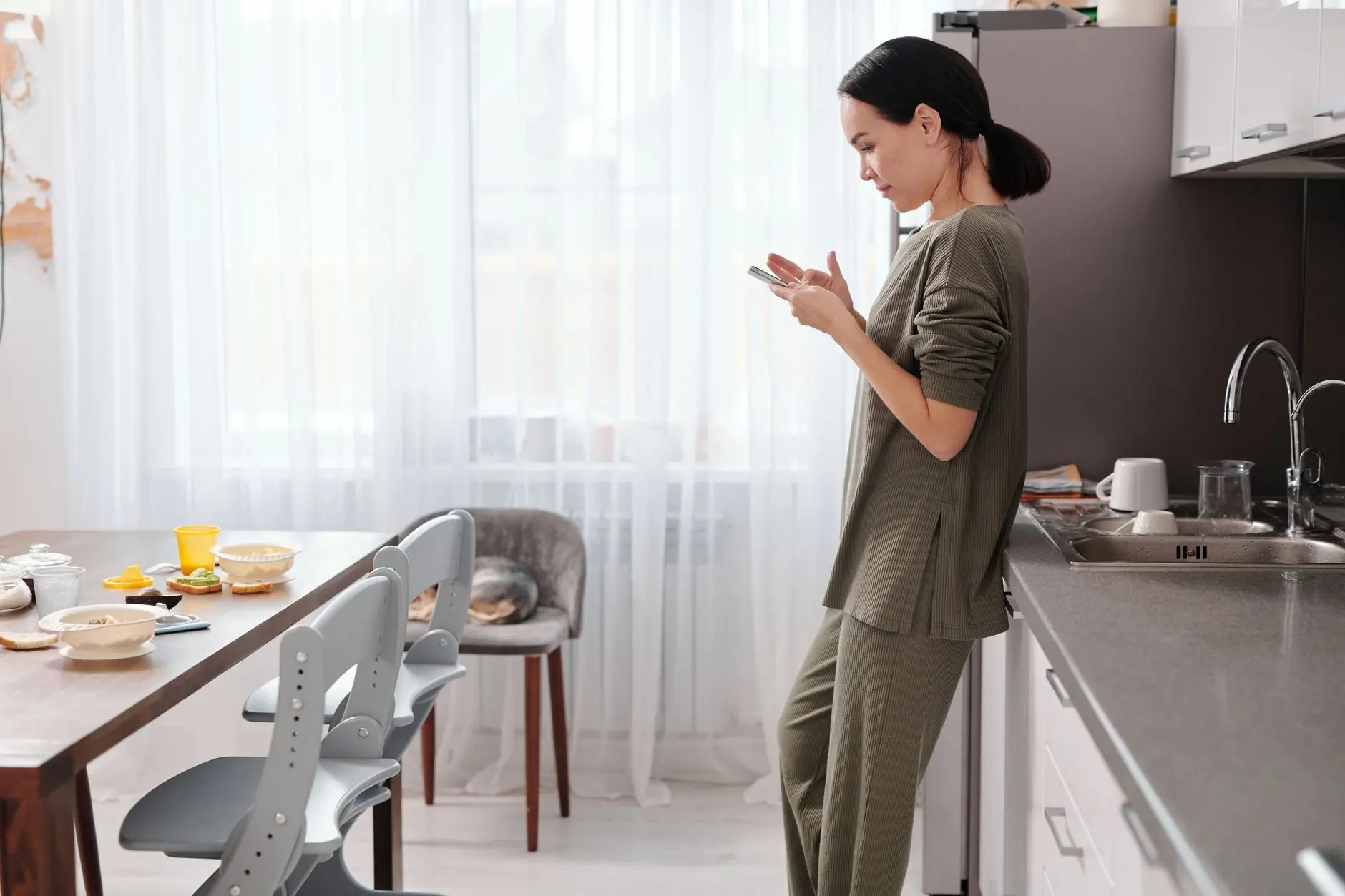
Home surfaces count as common surfaces too. A phone put down next to a sink or on a worktop meets whatever is on that spot, and then goes back to your face. Choose a clean, dry place for it, such as a stand or a pocket, and avoid parking it where food, hands and splashes mix.
Does hand washing replace cleaning the phone?
No, but hand washing does most of the preventive work. Hartford HealthCare says the most likely pathway of viral particles onto a phone starts with your hands, and its advice is not to touch the phone until you have washed them. Clean hands mean less transfer to the phone in the first place.
Hand washing does not cover everything, though. The two habits work together: wash hands before handling the phone, then wipe the phone on schedule to remove what hands and air have already left behind.
What the germ evidence shows and does not show
The measurable part is how much a phone is handled. The 2,617 average daily touches come from a 2016 Dscout study as cited by Hartford HealthCare, and they describe how often fingers meet the screen, not how many germs are present.
The germ side is stated in more general terms. Hartford HealthCare calls a phone, like a hand, a bacteria and virus magnet. That supports a routine, but it does not give an exact count of bacteria on a typical phone or a measured number of illnesses a wipe-down prevents. Read the daily baseline as sensible hygiene and a precaution, not a proven threshold, and do not expect a wipe to make a phone permanently sterile. It is clean only until the next touch.
That limit also answers the comparison question. A phone is as dirty as the hands and surfaces it meets, and it is handled very often. How it ranks against other everyday objects is not something a single cleaning schedule can settle.
Choosing a method that suits the phone
More frequent cleaning only makes sense if the method does not damage the phone. Apple once warned that cleaners could erode the fingerprint-resistant oleophobic coating on an iPhone screen. In March 2020 it updated its recommendations to allow 70 percent isopropyl alcohol wipes and Clorox Disinfecting Wipes, but not bleach, as reported by Hartford HealthCare. If you plan to disinfect daily, check your own phone maker’s current guidance first, because coatings differ.

Whatever product you use, these handling points keep a frequent routine safe:
- Power down first: turn the phone off and unplug it before cleaning.
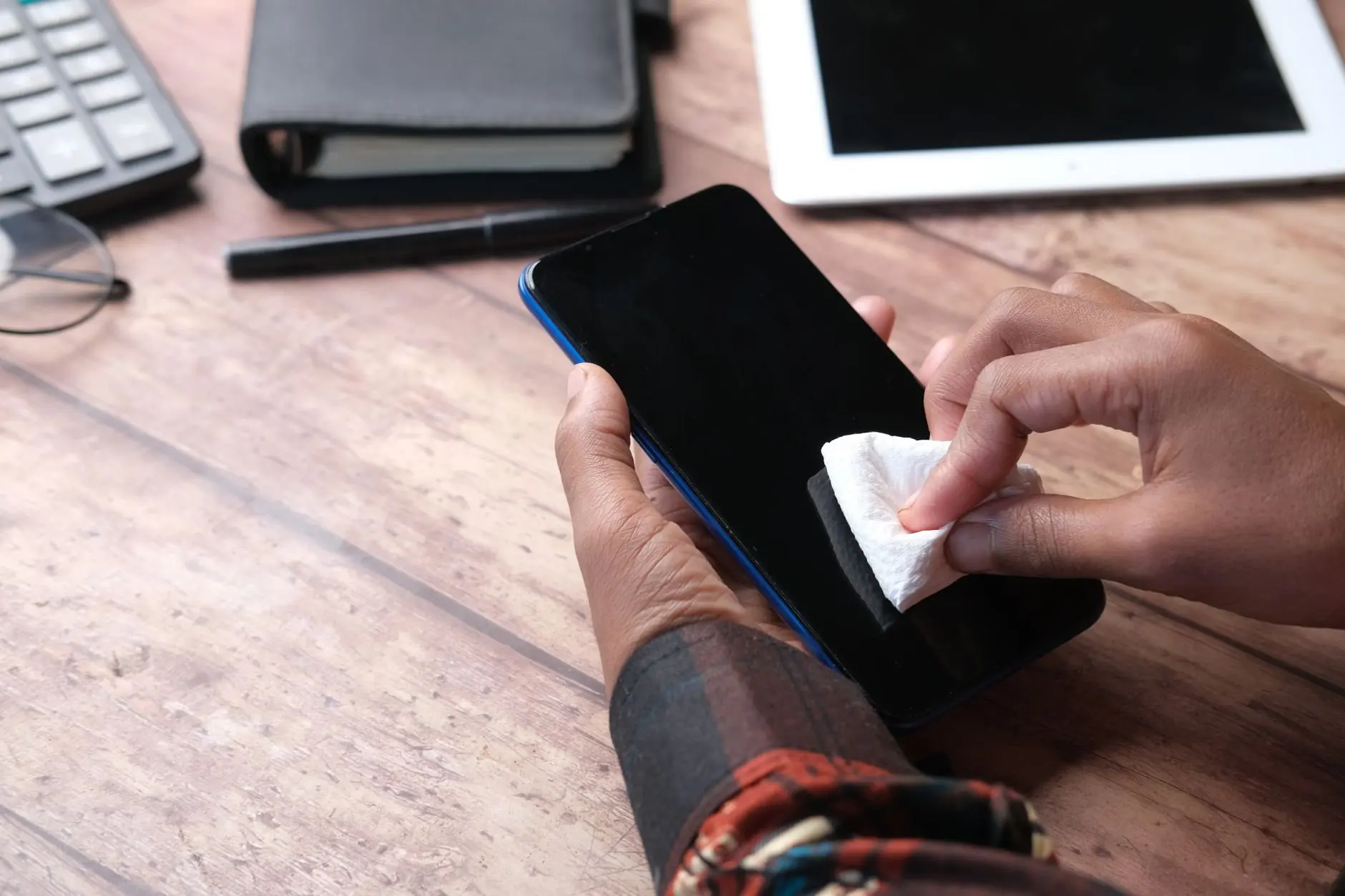
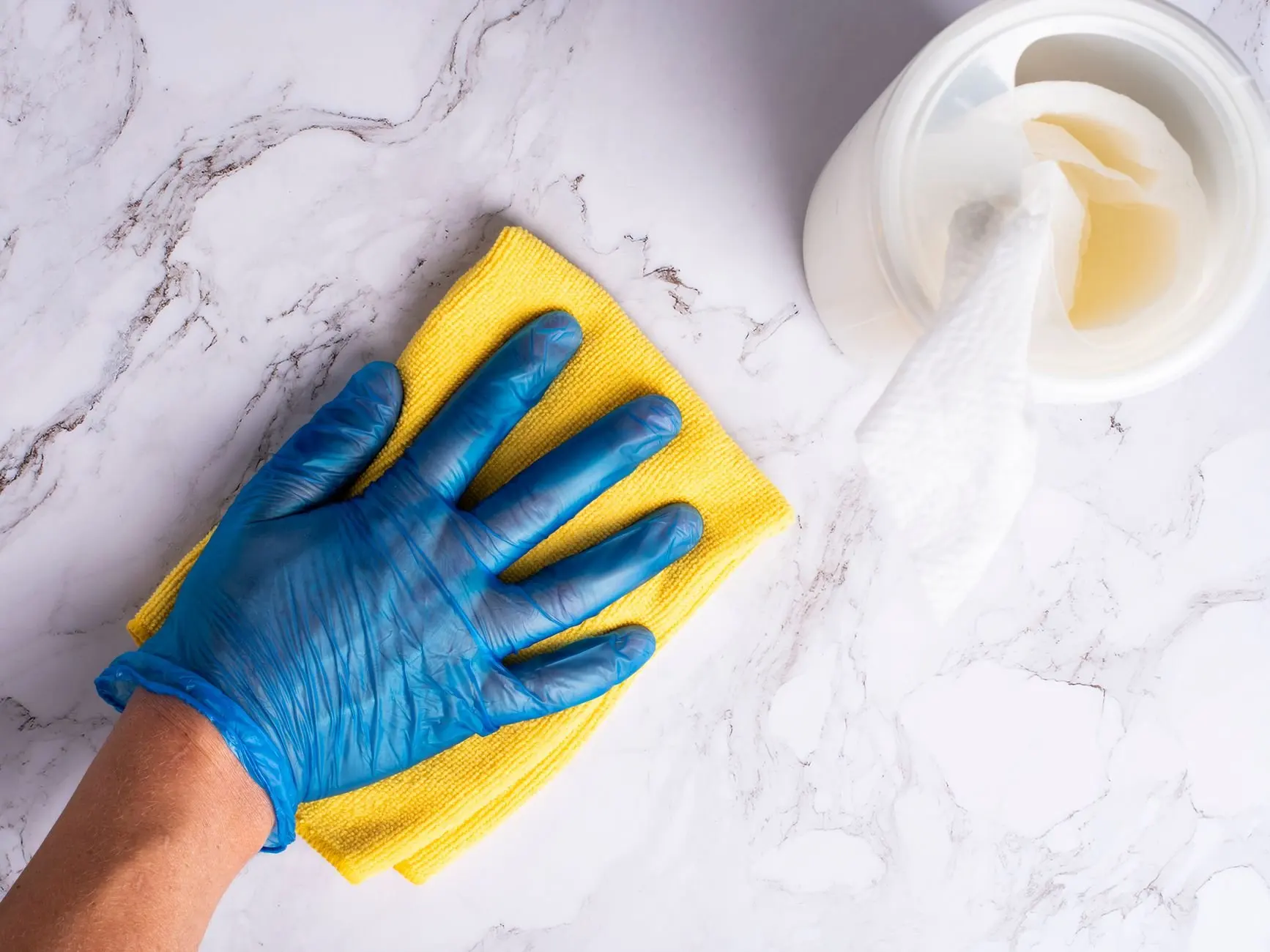
- Use the right cloth: a lint-free cloth or a cotton ball is the recommended applicator.
- Apply alcohol to the cloth: with 70 percent rubbing alcohol, the liquid goes on the cloth or cotton ball, not on the screen.
- Keep liquid off the phone: never spray any liquid on it, and do not submerge it.
- Add a screen protector: Hartford HealthCare says a phone should survive disinfection as long as a screen protector is used and the phone is not submerged.
If the goal is only to clear smears rather than disinfect, the guide on how to remove fingerprints from phone screen surfaces covers that lighter job. The cover is the other surface that collects grime, and the walkthrough on how to clean phone case with wipes explains how to handle it.
Frequently asked questions
Can a waterproof phone be cleaned with soap and water?
Yes, but only waterproof smartphones. Hartford HealthCare advises soap and water on a damp cloth for those models, not on other phones.
Is bleach safe on a phone?
No. The guidance reported by Hartford HealthCare allows Clorox Disinfecting Wipes and 70 percent isopropyl alcohol wipes on Apple products, but not bleach.
Is a UV sanitizer an alternative to wipes?
It is one option. Hartford HealthCare mentions UV phone sanitizers that use ultraviolet-C light to kill germs, for people who prefer not to wipe.
Can I use a paper towel to wipe the screen?
It is best avoided. Hartford HealthCare warns that rougher material, such as paper towel, can scratch the screen.