| Reader situation | Surface | What the manufacturer guidance supports | Planning use |
|---|---|---|---|
| Wiping down a kitchen or living room | Glass and mirrors | Named by Clorox as shiny surfaces its wipes are used on | Safe starting point for routine disinfecting |
| Wiping down a kitchen or living room | Finished and polyurethane-treated wood | Suitable when used as directed; small-area test first | Fine for sealed tables and cabinets, not for bare or worn wood |
| Appliances and walls | Stainless steel | Depends on the surface list on the product label | Read the canister, then test a hidden patch |
| Appliances and walls | Painted walls | Depends on the label and the paint finish | Test low and out of sight before wiping a visible area |
| Soft furnishings and electronics | Leather and upholstery | Furniture care instructions decide | Skip wipes unless both label and furniture maker allow them |
| Soft furnishings and electronics | TV and device screens | Screen-specific guidance applies | Use a screen-cleaning method, not a general household wipe |
Surface guidance for finished and polyurethane-treated wood, glass and mirrors, and the small-area test comes from Clorox’s guidance on cleaning wood with its wipes.
What surfaces can you use disinfecting wipes on? Finished and polyurethane-treated wood, glass and mirrors are named by Clorox. For everything else, the product label decides, and a small-area test comes first.
The sections below group surfaces by the situation a reader is usually in. They also sit within wider household cleaning tips, where wipes are one tool among several.
Kitchen and living room: hard, shiny and sealed surfaces
The safest wipe surfaces are hard and sealed, because liquid stays on top instead of soaking in. The manufacturer’s own wood-care page names glass, mirrors and finished wood, so these are the surfaces to start with when a wipe is the tool of choice.
Glass and mirrors
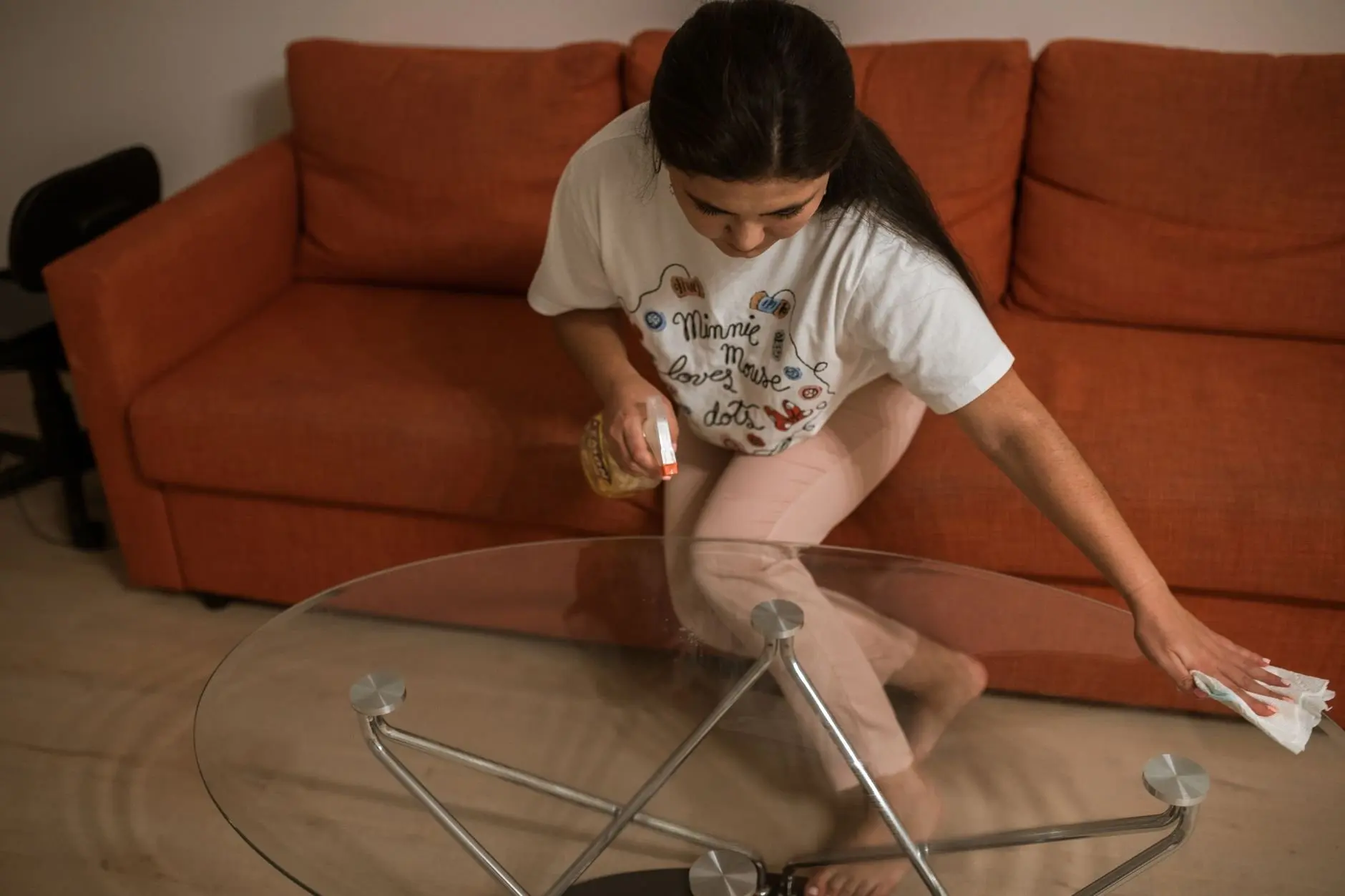
Clorox lists shiny surfaces like mirrors and glass among the places its disinfecting wipes are used. It also describes the formula as clear-drying, which suits glass tabletops, bathroom mirrors and picture-frame glass, where residue is easiest to see.
This option suits anyone who wants to disinfect a coffee table or mirror without a separate glass cleaner. The limit is the same as for every surface here: the claim comes from one brand’s guidance, so a different wipe needs its own label checked.
Finished and sealed wood
Finished wood is the case where the manufacturer is most specific. Clorox states that its wipes can be used on finished wood surfaces, as directed, and that they are safe on polyurethane-treated wood. The page adds that a small area should be tested first.
The word that matters is finished. A sealed dining table, cabinet door or wooden desk has a protective coat, and that coat is what the guidance refers to. Raw, waxed-only or visibly worn wood has no confirmed approval in this guidance, so treat it as a different surface and choose a gentler method.
- Suits: sealed tables, cabinet fronts, desks and shelving with an intact polyurethane or similar finish.
- Limits: the approval covers use as directed, not repeated heavy wetting, and not wood whose finish is unknown.
- Check first: a test patch on a back edge or underside, then a look at the spot once it is dry.
Appliances, walls and countertops: check the label first
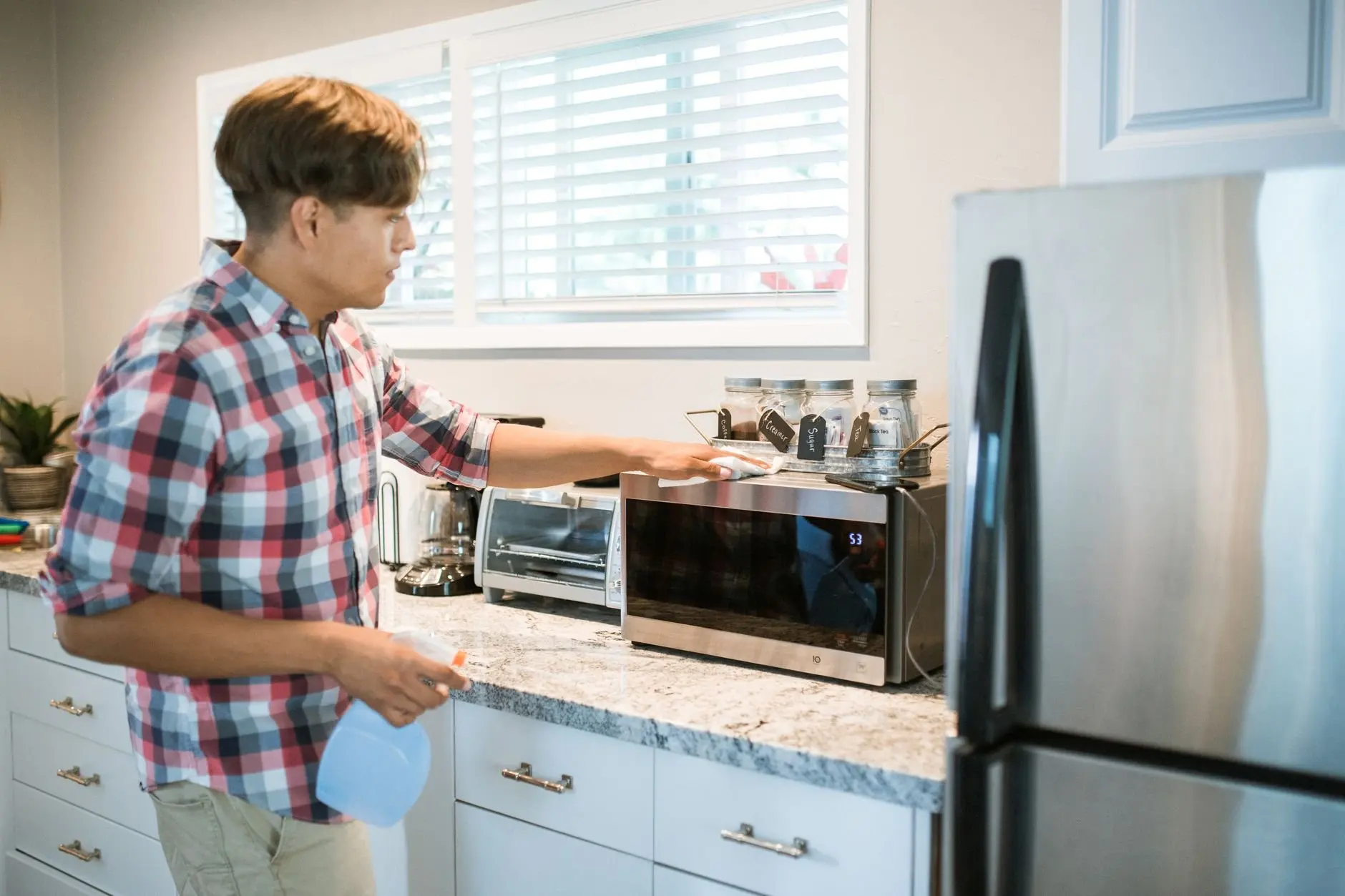
These surfaces are common targets for a quick wipe, yet the guidance supplied here does not name them. The practical rule is to let the label on the specific wipe canister decide, and to confirm it with a test patch.
Stainless steel appliances
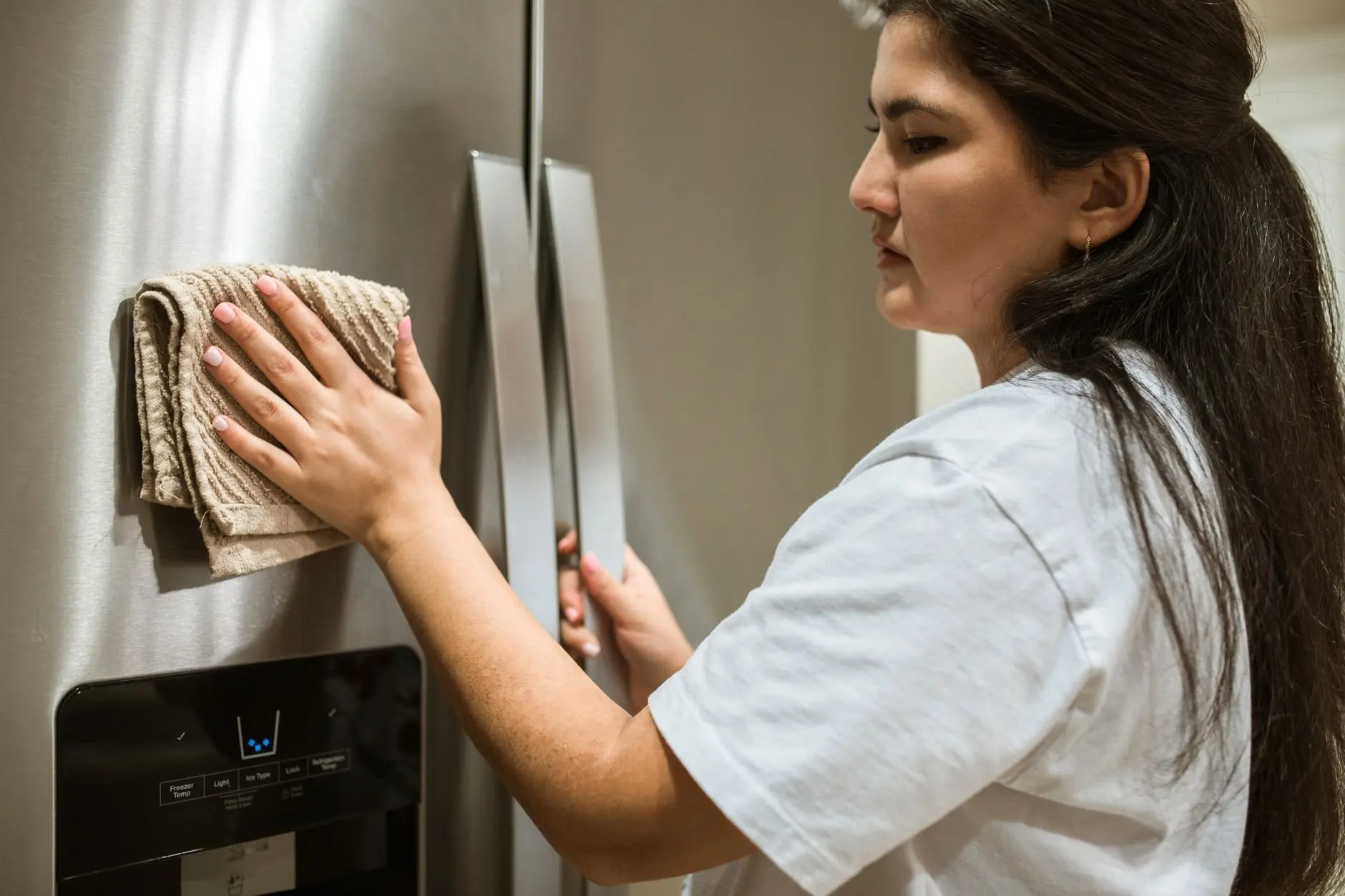
Stainless steel is a frequent question, and it is a sensible candidate for wiping because the surface is hard and non-porous. The deciding document is still the surface list on the wipe packaging, together with the appliance maker’s care guide, which may restrict some cleaning products on brushed or coated finishes.
Before wiping a whole door, try a small hidden section, let it dry and look for dullness, streaks or a changed sheen. If the appliance has a control panel, keep wipes away from it and use a barely damp cloth there instead.
Painted walls
Painted walls are riskier than they look, because finish matters. A glossy or semi-gloss coat is sealed and resists wiping better than a flat coat, whose surface can burnish, streak or lift if rubbed. The label of the wipe and any paint-maker guidance should say whether wall use is allowed.
The test should be low on the wall, behind furniture or inside a closet, where a mark would go unseen. Wipe lightly, wait until the spot has dried completely and compare it with the paint beside it. Only a patch that looks identical in daylight justifies wiping a wider area, and even then high-touch zones such as light switches and door frames are the most sensible places to focus.
Countertops
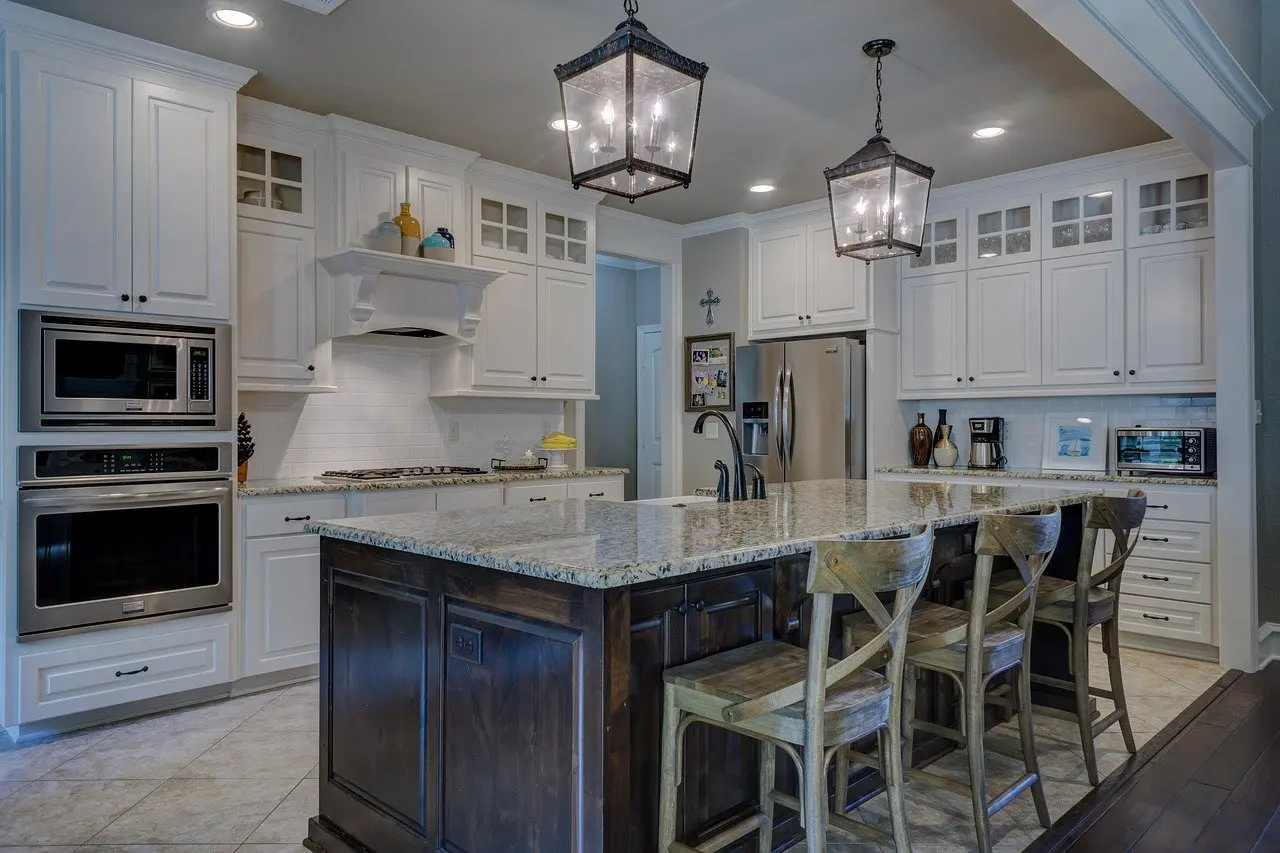
Countertop materials vary widely, from laminate and sealed stone to wood butcher block, so a single yes does not cover them all. Sealed wood counters follow the finished wood guidance above. For stone, solid surface or laminate, the countertop maker’s care instructions and the wipe’s surface list are the references to read.
For a mixed kitchen, the efficient approach is a short mental sort: glass and sealed wood first, then anything the label lists by name, and a test patch for the rest. Choosing between a wipe and a spray is a separate decision, covered in the comparison of disinfectant wipes vs spray.
Soft furnishings and electronics: surfaces to avoid by default
Leather, upholstery and screens are where a general-purpose wipe is least likely to be the right tool. None of them appears in the manufacturer guidance for wood, glass and mirrors, so a wipe should not be the default choice for them.
Leather sofas and chairs
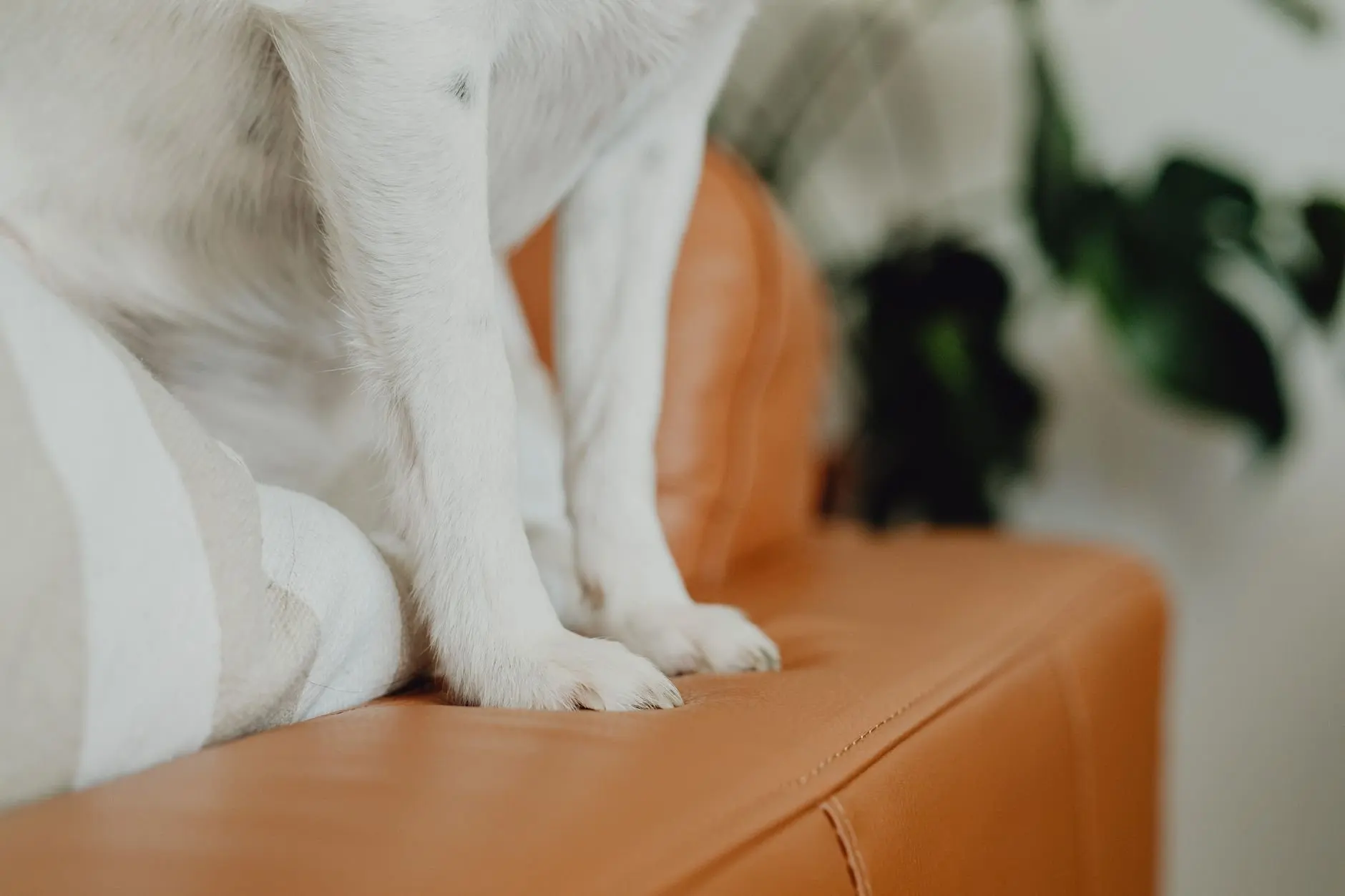
Searches about using Clorox wipes on leather are common, and the cautious answer is to avoid it unless the product label names leather and the furniture maker’s care guide agrees. Leather and leather-look upholstery come with their own cleaning instructions, often a tag under a cushion or a care card, and that guidance outranks a general household wipe.
A wipe that does not list leather on its label is not a safe default for a sofa arm, because the damage from a wrong product tends to be visible and difficult to reverse. If a sofa needs disinfecting, follow the furniture manufacturer’s cleaning code or care page instead.
TV and device screens
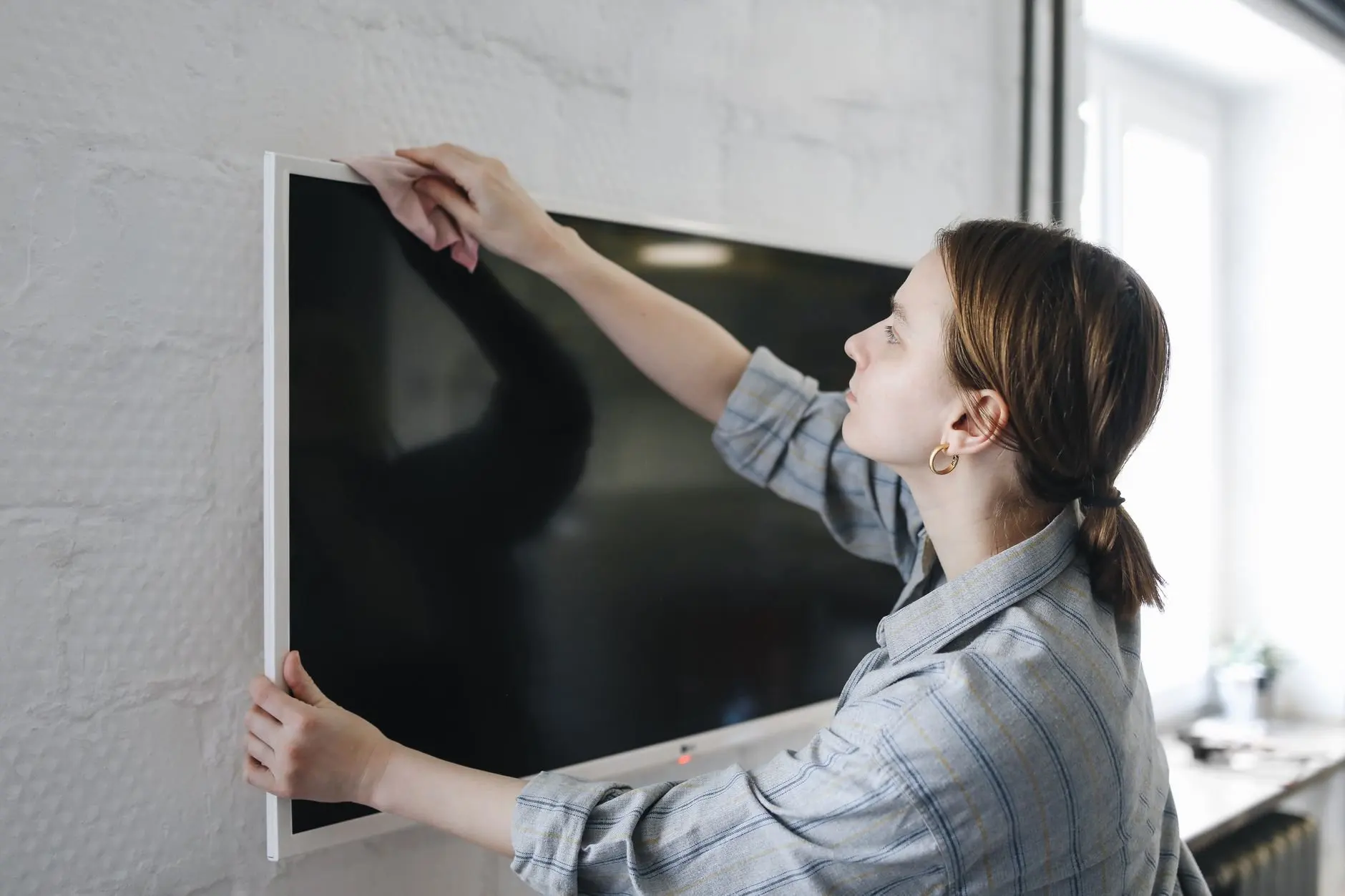
Screens have coatings and edges that react differently from a kitchen counter, and the guidance for them is specific. The method for televisions is laid out in how to clean a flat screen tv, which is the better reference than a general wipe canister.
The same caution applies to tablets, monitors and phones: use the screen-specific method, and leave household disinfecting wipes for hard, sealed furniture and fittings.
Spot-test routine for any new surface
Clorox’s own advice is to test on a small area first. A test patch costs a minute and avoids a visible mistake on a table, wall or appliance.
- Read the label. Find the list of surfaces the wipe is approved for and the list it should not be used on, then decide whether your surface is named.
- Pick a hidden spot. Choose a back edge, underside, inside a cupboard or low corner that matches the visible finish.
- Wipe lightly. Use the wipe as directed on the label, without scrubbing.
- Let it dry fully. Judge the result only when the spot is completely dry, since wet finishes look different.
- Compare in good light. Look for dullness, streaks, colour transfer, stickiness or a changed sheen against the area beside it.
- Proceed or stop. If the patch looks unchanged, continue; if anything looks different, switch to the care method the maker recommends.
This routine fits every surface in the table at the top of this page. It matters most for painted walls, appliances and any finish that cannot be identified by eye.
Frequently asked questions
| Question | Answer |
|---|---|
| Can you use disinfecting wipes on sealed wood? | Yes, on finished wood when used as directed. Clorox says its wipes are safe on polyurethane-treated wood and recommends a small-area test first. |
| Can you use Clorox wipes on leather? | Only if the label names leather and the furniture maker’s care guidance allows it. Otherwise choose the cleaning method in the sofa’s care instructions. |
| Can you use disinfecting wipes on stainless steel? | It depends on the wipe’s label and the appliance maker’s care guide. Test a hidden patch and check it once dry before wiping a visible panel. |
| Can you use disinfecting wipes on painted walls? | Possibly, depending on the paint finish and the label. A low, out-of-sight test patch shows whether the paint changes as it dries. |
| Are there surfaces not to use disinfecting wipes on? | Any surface the label excludes, plus soft furnishings, screens and unfinished materials that have no confirmed approval. Treat those as off-limits until the label or the maker says otherwise. |