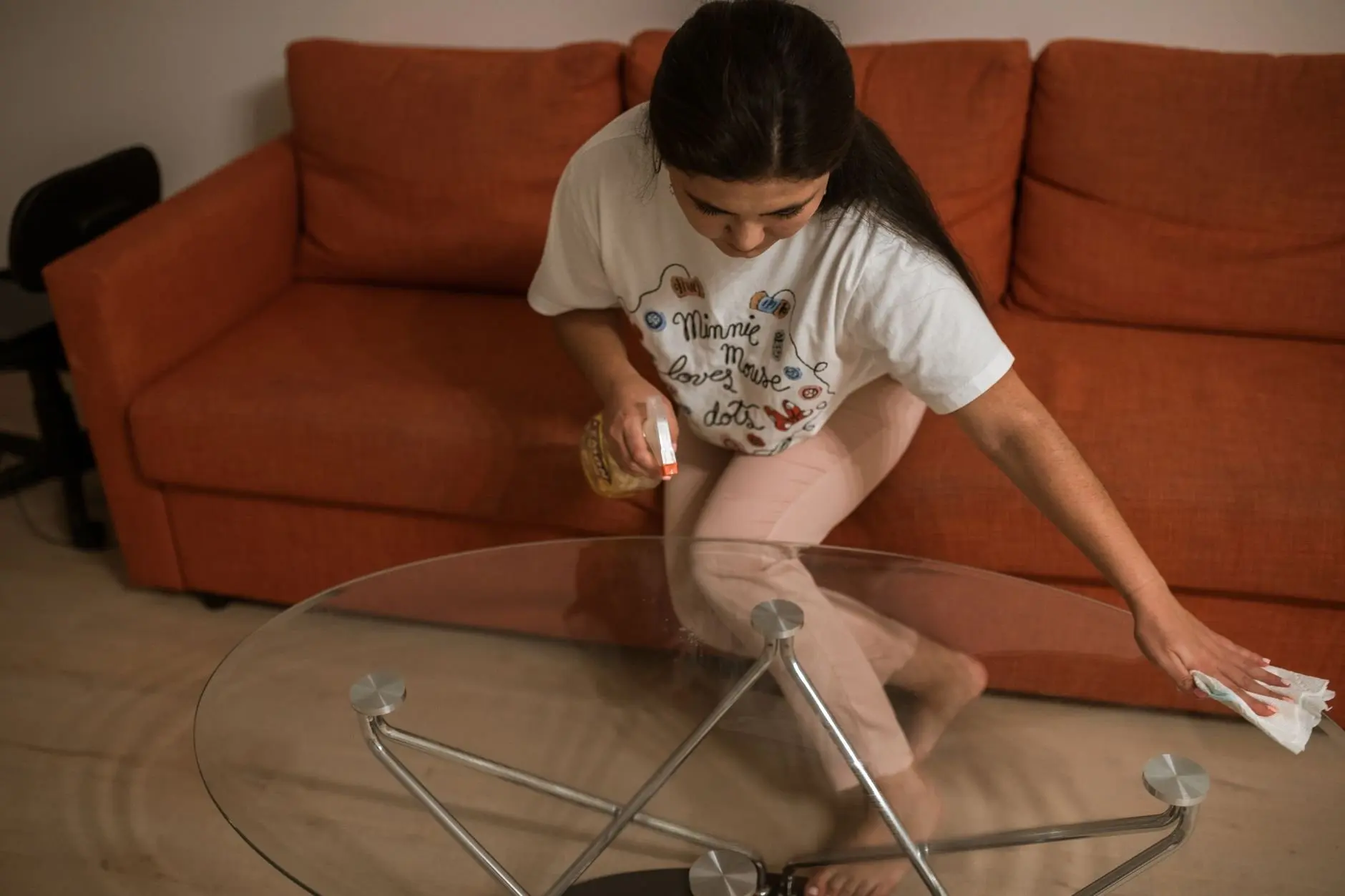
Quick answer: in a disinfectant wipes vs spray comparison, neither wins on germ-killing alone. Both work when the surface stays wet for the label’s contact time. Wipes suit small, quick jobs. Spray suits larger areas.
The sections below compare wet time, coverage, cost and stone countertops. For wider routines, see these household cleaning tips.
Wipes and spray side by side
| Criterion | Disinfectant wipes | Disinfectant spray | Planning use |
|---|---|---|---|
| Coverage | May not be sufficient for larger surfaces or heavily soiled areas | Applied from 6-8 inches for even coverage | Choose spray for big counters and tables, wipes for handles and switches. |
| Extra supplies | None; the wipe is the applicator | Paper towels, cloths or sponges are needed alongside | Keep a roll of paper towel beside any spray bottle. |
| Cost per ounce | Usually higher | Most brands come in lower | Spray is the better fit for frequent, large-area use. |
| Mist | Single-use and reported to mean less mist inhalation | Produces a spray mist | Wipes suit close-quarters or shared spaces. |
| Contact time | Brand-specific; normally 3 to 10 minutes | Brand-specific; normally 3 to 10 minutes | Read the label of the exact product you own. |

The coverage and application figures come from a manufacturer presentation on wipes and sprays, while cost, supplies, mist and contact-time ranges come from a consumer comparison guide.
Contact time and how long a surface stays wet
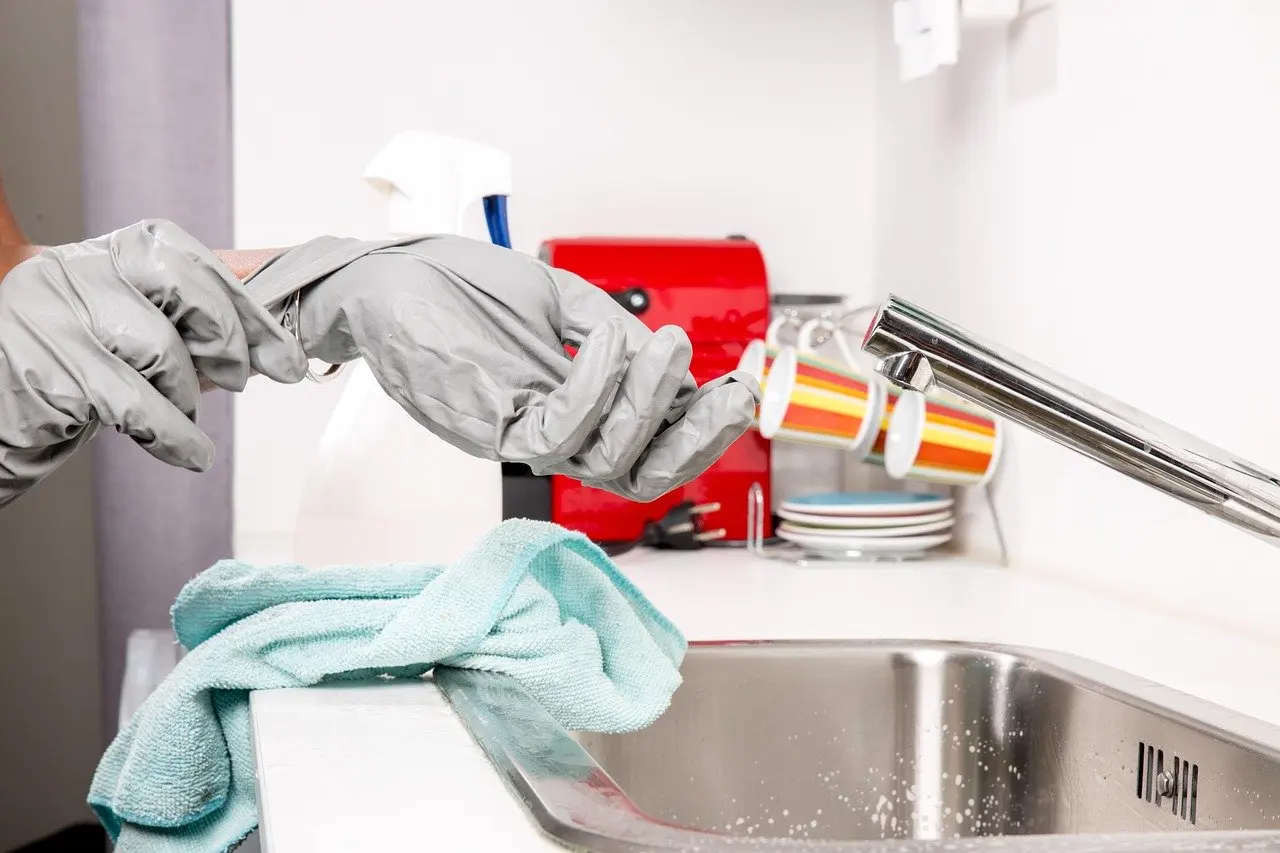
Contact time is the period a disinfectant must remain on a surface to do its job, and it is printed on the product label. A consumer guide reports that contact times vary by brand and normally range from 3 to 10 minutes. That range is a general pattern, not a promise for any single product.
The EPA points consumers to the same place. Its guidance on disinfectants for enveloped viruses tells people to follow the directions for use on the product’s master label and to pay close attention to the contact time for the product on the treated surface.
This is where wipes and spray differ in practice. A wipe leaves a thin film that can dry quickly on a warm or porous surface. A spray lets you lay down a visibly heavier film, so it is easier to judge whether the surface has stayed wet. If the film dries before the label time has passed, the product has not had its full contact time, and the label’s directions should be followed again from the start.
Judge wet time by looking at the surface rather than by guessing. Check the clock against the label, and treat the label figure as a minimum for that product.
Do disinfecting wipes kill germs?
Yes, when the product is a true disinfectant and is used as directed. A consumer guide notes that to be considered a disinfectant, a product must contain a chemical that kills germs on surfaces. The same guide describes wipes and sprays as equally effective against bacteria and viruses, provided the label contact time is respected.
The words on the pack matter. An EPA-registered disinfectant is a product with an EPA registration, and the agency released a list of such products that qualified for use against SARS-CoV-2 on March 5, 2020. A wipe that only cleans or sanitizes is a different product. The comparison of disinfecting wipes vs sanitizing wipes explains that distinction.
Where disinfectant spray works best
Spray earns its place on large, flat areas such as tables, long counters and shared work surfaces. A manufacturer presentation advises maintaining a distance of 6-8 inches for even coverage. Holding the bottle closer tends to leave puddles and bare patches, which makes wet time harder to judge.
Spray has two practical costs. It needs a separate applicator, since paper towels, cloths or sponges are used alongside it. It also releases a mist, so ventilation and keeping the bottle away from food and faces matter. In return, most brands cost less per ounce than wipes, which counts for households that disinfect often.
Spray and paper towel, step by step
- Read the label first. Note the contact time and any surface restrictions.
- Spray from 6-8 inches. Aim for an even, visible film across the whole area.
- Leave the film undisturbed. Let it stay wet for the full label time.
- Wipe afterwards if the label says so. Use a paper towel, cloth or sponge as directed.
Wiping straight away defeats the purpose, because it removes the product before the contact time has run.
Where disinfectant wipes work best
Wipes suit small, frequently touched items: door handles, light switches, remote controls and tap handles. The wipe is both the product and the applicator, so nothing else is needed. A consumer guide describes single-use wipes as quick and hygienic to use and links them to less mist inhalation, which helps in small rooms.
Their weakness is scale. A manufacturer presentation says wipes may give limited coverage on larger surfaces or heavily soiled areas. Using one wipe across a whole counter risks a dry film before the contact time ends, and several wipes raise the cost. For a heavily soiled surface, a wipe is better used for the disinfecting step after the mess has been removed.
The wider question of where wipes are allowed is covered in the guide on what surfaces can you use disinfecting wipes on.
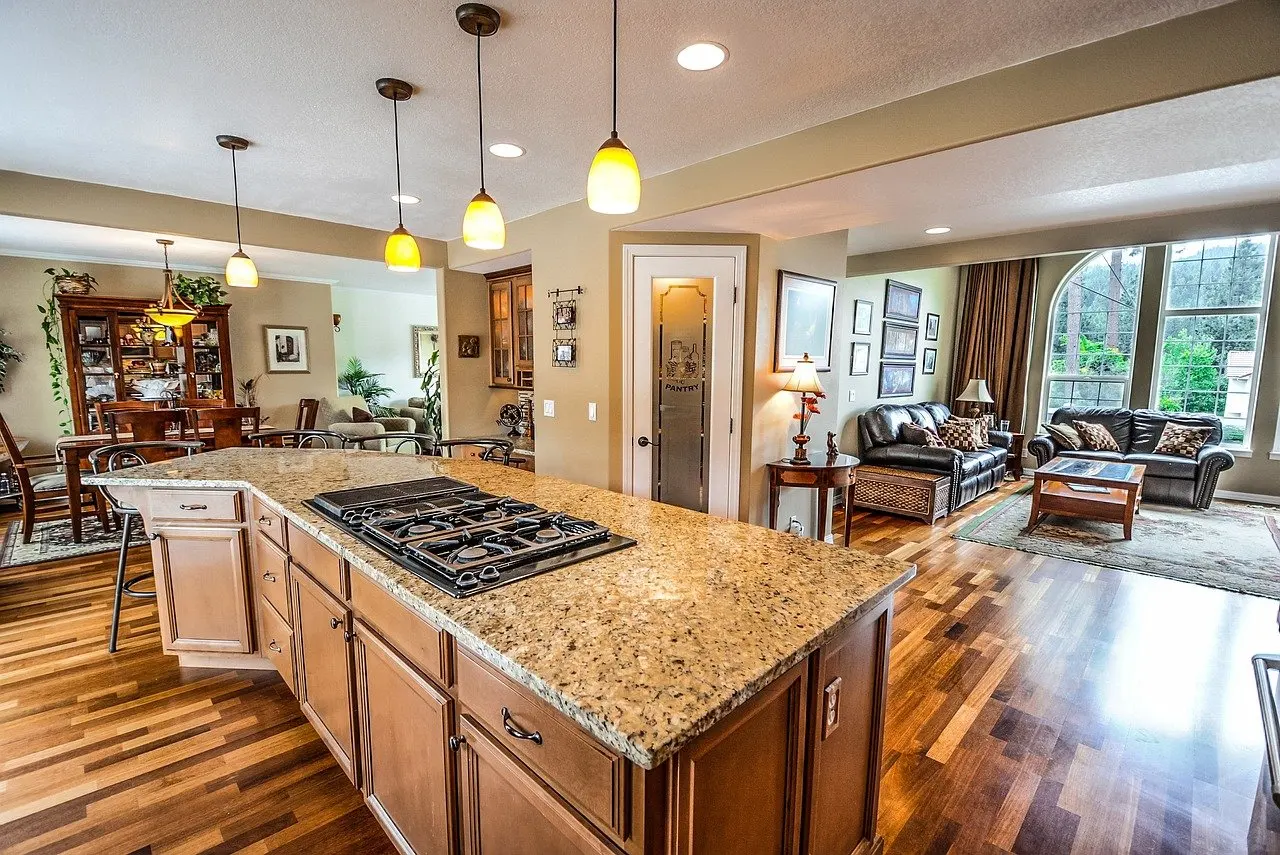
Are disinfecting wipes safe on granite?
Granite is a surface where the product label and the stone’s own care guidance decide, not the wipe-versus-spray format. A product’s label lists the surfaces it is intended for, and the EPA directs consumers to the master label for use directions. If granite or natural stone is not named as suitable, check the care instructions from the countertop’s maker or fabricator before using either a wipe or a spray.
Stone is also a case where the wipe’s limits show up: a wipe leaves a thin film that is quickly gone, while a spray film left for the full contact time stays on the stone for minutes. Whichever product is used, follow the label’s rinse or wipe-off direction rather than letting residue sit on a sealed or polished top.
Which to choose
- Choose wipes for touchpoints. Handles, switches and remotes need small amounts and a fast turnaround, and wipes keep mist down.
- Choose spray for large surfaces. Tables, long counters and bathroom surfaces benefit from an even film and a lower cost per ounce.
- Choose by label for stone and delicate finishes. The product’s listed surfaces and the stone-care directions outrank convenience.
- Keep both for a mixed household. Spray handles the weekly full wipe-down, and a canister of wipes covers quick touch-ups between.
Whichever you pick, the deciding factor is whether you can keep the surface wet for the label’s contact time. A product that is easy to use correctly beats a stronger one that dries too fast.
Frequently asked questions
Are disinfectant wipes or spray better?
Neither is better on germ-killing alone. Wipes are better for small, frequently touched items, and spray is better for large areas and lower cost per ounce.
What is the contact time for disinfectant wipes?
It depends on the brand and is printed on the label. A consumer guide gives a normal range of 3 to 10 minutes, and the EPA says to follow the label’s directions and contact time.
Do wipes and spray need a paper towel?
Spray usually does, since paper towels, cloths or sponges are used with it. Wipes carry their own applicator.
What does EPA-registered mean on a disinfectant?
It means the product is registered with the EPA. The agency has published a list of registered disinfectants that qualified against SARS-CoV-2, and its advice is to follow the master label.