| Criterion | Disinfecting wipes | Sanitizing wipes | Planning use |
|---|---|---|---|
| Claim | Kill bacteria and viruses on hard, non-porous surfaces | Reduce bacteria and other microorganisms to below levels deemed safe by the CDC | Pick disinfecting when the goal is killing germs, sanitizing when the goal is lowering them |
| Testing standard | More rigorous testing and higher effectiveness standards | Lower bar than surface disinfectants | The stricter claim is the one to look for on high-touch surfaces |
| Viruses | Covered by the disinfectant claim on hard, non-porous surfaces | Does not kill all viruses; the label decides | Do not assume a sanitizing wipe covers a virus |
| Label time | Set by the label directions | Most products call for a 30-second air dry on the surface | Read the time before the first wipe, not after |
| Food areas | Must never contact food directly; quat residue is a concern | Check the label to confirm the product is food safe | Only a label that says food safe belongs near food |
Figures and wording in the table follow the National Restaurant Association’s cleaning, sanitizing and disinfecting guidance and PDI’s wipe comparison.
Disinfecting wipes vs sanitizing wipes: disinfecting wipes kill bacteria and viruses on hard, non-porous surfaces, while sanitizing wipes only reduce germs. Choose by the label claim, contact time and whether food touches the surface.
The sections below work through the situations where that choice matters most. For wider household cleaning tips, the household cleaning hub covers the surrounding routines.
How the label claims differ
A disinfecting claim is the stricter of the label claims. Disinfectants kill bacteria and viruses on hard, non-porous surfaces, according to the National Restaurant Association, and PDI notes that surface disinfectant products undergo more rigorous testing and must meet higher effectiveness standards than sanitizers. A sanitizing claim is a reduction claim. It means the product lowers the number of microorganisms to below levels deemed safe by the CDC, and nothing stronger.
Plain cleaning is a separate category. Cleaning removes dirt but does not kill pathogens, so a wipe sold only as a cleaner makes neither claim.
What EPA registration adds
EPA registration is the practical way to check a disinfecting claim. The EPA has released a list of approved disinfectants for use against coronavirus, known as List N, and each entry is tied to a registration number. A disinfecting wipe that carries a registration number can be looked up, which a vague “antibacterial” line cannot.
What is in the wipe
Disinfecting wipes usually rely on an active ingredient such as a quaternary ammonium compound or an alcohol-based formulation. Sanitizing wipes sometimes add a surfactant, which is a detergent that removes light dirt and grease. That makes a sanitizing wipe more of an all-in-one for a lightly soiled surface, while a disinfecting wipe is built around the kill claim.
Contact time on the label
Disinfecting wipes take as long to kill germs as the label says, and no single figure applies to every product. The National Restaurant Association’s advice is to follow the directions on the label to determine the contact time. Dreumex adds the condition that matters in practice: the surface should remain visibly wet for the time indicated on the product label.
Sanitizing wipes follow a simpler pattern.
The trade-off is speed against certainty:
- Disinfecting wipes: the time can be longer, and a large surface may start drying before it is up. Re-wipe in that case so the surface stays wet for the whole label time.
- Sanitizing wipes: the short air-dry is easy to respect, but it buys a lower level of germ reduction.
Kitchen counters and food areas
Near food, the label’s food-safe wording matters more than the disinfecting or sanitizing label. Disinfectants must never come in direct contact with food, and PDI says disinfecting wipes are not suitable for skin use or in a food-based environment. It also warns that quats can leave a harmful residue on surfaces, which makes them unsuitable for food prep areas.
A sanitizing wipe is not automatically safe either. PDI advises checking the label to verify that the product is food safe. For a disinfectant, the EPA List N surface type will read “Food Contact Surfaces, Post-Rinse Required” when it is approved for that use, which signals that a rinse is part of the directions.
- Prep surfaces and cutting areas: use a product whose label states it is food safe, and follow any rinse instruction.
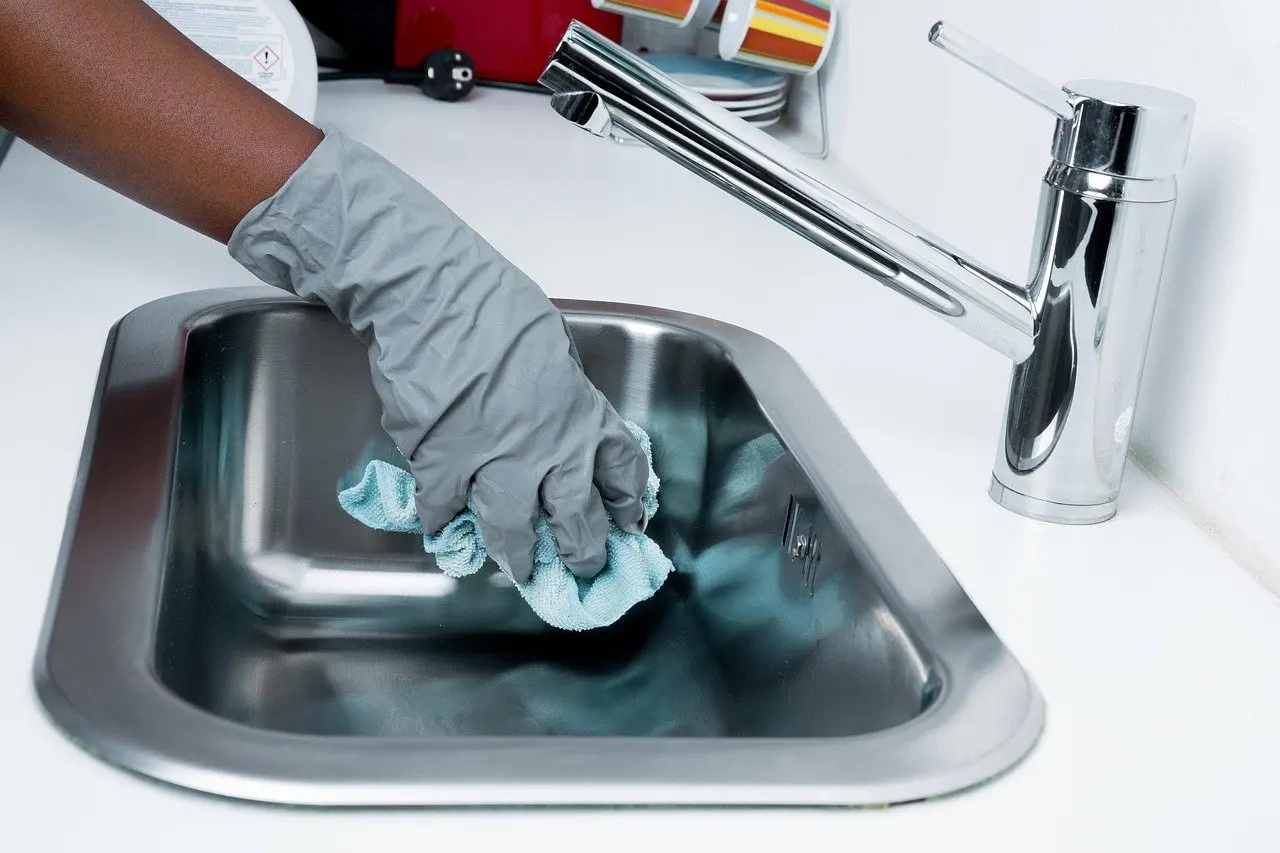
- Sinks, faucet handles and fridge door handles: these are hard, non-porous surfaces that food does not usually touch, so a disinfecting wipe suits them if the label directions are followed.
- Mixed use: keep a dedicated food-safe sanitizing product for food areas so the choice does not have to be made mid-task.
Phones, screens and electronics
A disinfecting wipe can be right for a hard, non-porous case or counter and still be wrong for a screen. The disinfectant claim covers hard, non-porous surfaces, but it says nothing about a device coating, so the wipe’s label and the device maker’s own cleaning guidance together decide. That is why the common question about whether Clorox wipes can be used on screens has no universal yes: check the brand’s label and the manufacturer’s support page for your model first.
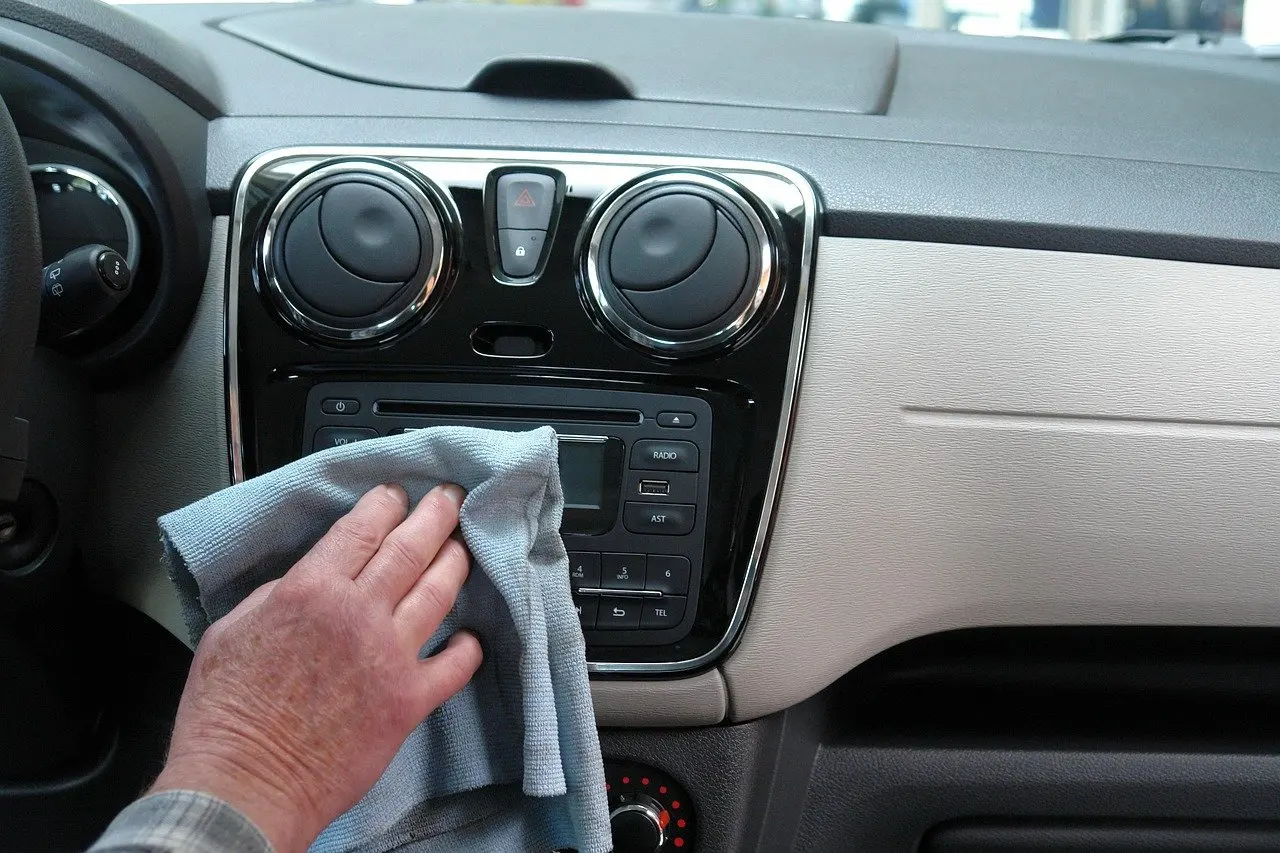
Because the wipe leaves a visibly wet surface by design, moisture around buttons, ports and seams is the practical risk on any device. A step-by-step approach is set out in the guide on how to disinfect electronics.
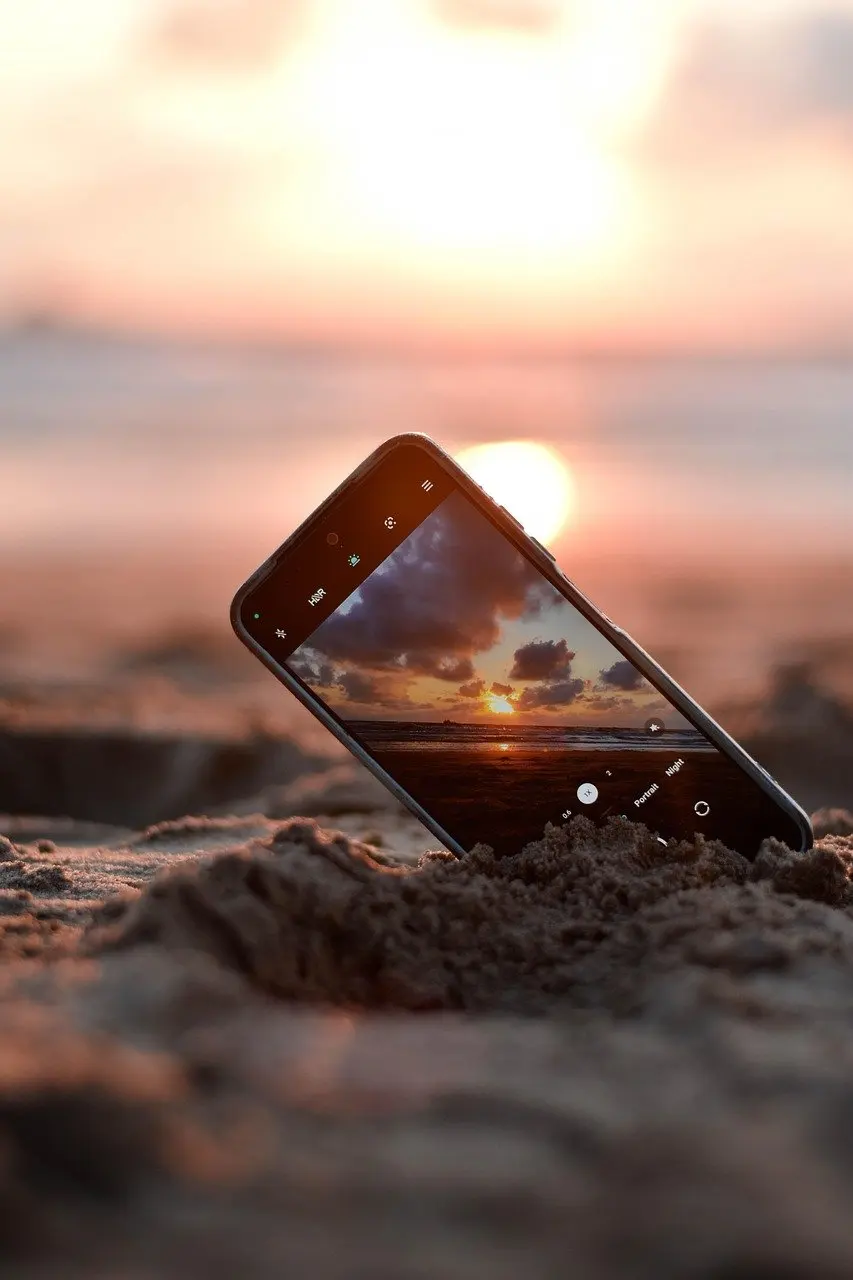
- Device cases and hard shells: a disinfecting wipe is the more likely fit, provided the label and manufacturer guidance allow it.
- Glass screens and coated displays: follow the manufacturer’s wording over the wipe’s general claim.
- Sanitizing wipes on devices: the lower-level claim does not change the compatibility question, so the same two checks apply.
Everyday surfaces and shared spaces
For routine household surfaces, a disinfecting wipe is the default when the aim is to kill germs, and a sanitizing wipe is enough when the aim is to lower them on a lightly used surface. Door handles, light switches, bathroom taps and remote controls are hard, non-porous surfaces that match the disinfectant claim. Pick a disinfecting wipe when someone in the home is ill or when many people share the surface.
Both types do not kill viruses equally. A disinfecting wipe is the one backed by the claim of killing bacteria and viruses on hard, non-porous surfaces, whereas sanitizing does not kill all viruses and the label of the sanitizer has to be checked. For a virus concern specifically, the EPA List N registration is the stronger evidence.
- Choose disinfecting wipes for high-touch hard surfaces, bathrooms and shared items, as long as nothing there touches food or skin.
- Choose sanitizing wipes for light, frequent wiping where the label states food-safe use and a short air-dry is practical.
- Consider a spray for larger areas; the comparison of disinfectant wipes vs spray covers that alternative.
One label factor decides between look-alike packs: PDI lists the active ingredients, the contact time and whether the wipe is single-purpose or dual-purpose. A dual-purpose wipe cleans and disinfects, while a single-purpose wipe does only one.
Frequently asked questions
Can a disinfecting wipe replace cleaning first?
No. PDI says using a disinfecting wipe alone is not effective unless visible dirt, grime and food residue are first removed.
Are disinfecting wipes suitable for hands?
No. PDI states they are not suitable for skin use, so keep them to hard surfaces.
How can I check whether a wipe is EPA registered for my surface?
Find the registration number on the product, look it up on EPA List N, and open the entry to read the Surface Type listed beside it.