Does UV phone sanitizer work? A sealed box with a healthy UV-C bulb can treat surfaces the light directly reaches. It suits people wanting a hands-off extra, not a guaranteed replacement for wiping.
This guide tests the claims on box packaging against the evidence on light, bulbs and cost. The full routine, including what to wipe and where, is covered in how to clean a phone. Cleaning frequency is covered in how often should you clean your phone.
How to judge a UV phone sanitizer
No option here can be ranked as best on the evidence, so the options below follow a selection order instead. Each is judged on the same criteria, and the order of the list is not a league table.
- Reach. Light only affects what it hits, so the surfaces you touch must be exposed.
- Bulb condition. A tired bulb delivers less UV-C than the box promises.
- Containment. The lid and seal must keep the light inside the chamber.
- Screen risk. Any method should leave the screen coating intact.
- Cost. Purchase price plus any checking tools you add.
Boxes suit people who want a no-scrubbing step for a phone that is already physically clean. Wipes suit people who want to treat the exact surfaces they touch, such as the screen and edges. Neither choice removes the need to understand the limits below.

The options, one by one
UV-C sanitizer box
A UV sanitizer box is a closed chamber with a UV-C bulb. According to PhoneSoap’s guidance on checking a sanitizer, these devices use UV-C light with a wavelength around 254 nm. The same guidance describes intensity in milliwatts per square centimeter (mW/cm²), which is the unit to look for on a spec label or meter.
Cycles are short. Casecoinc’s review of UV phone sanitizers reports a 3 to 5 minute cycle that can be extended, with phone sanitizers ranging from $17 to over $100. A longer cycle suits someone whose phone is thick or awkward to position. A cheap box suits a trial. Neither price nor cycle length proves the output is adequate.
Isopropyl alcohol wipe
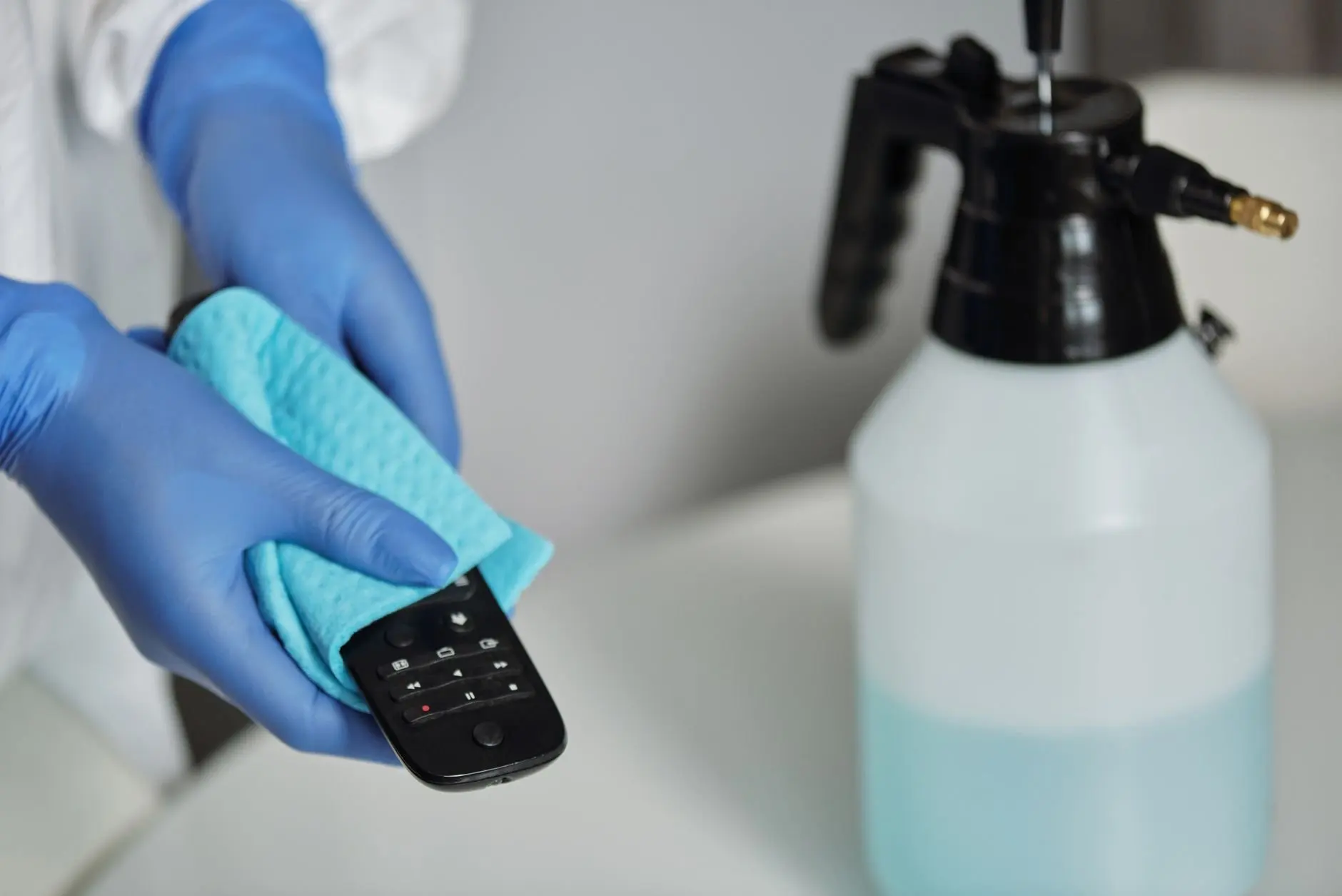
An isopropyl alcohol wipe treats a surface by hand, so you decide which areas get attention. The trade-off is the screen coating. Casecoinc notes that phone screens carry an oleophobic coating and that solvent-based disinfectants can degrade it faster. The same source says manufacturers advise not to apply disinfecting products directly to the phone.
Wipes therefore suit edges, backs and cases, and call for lighter use on the screen. A box avoids contact with the screen entirely, which is its one clear advantage over solvents.
Clinical UV-C devices
UV-C does have regulated medical uses. MPO Magazine reported that a UV-C device earned FDA De Novo authorization on September 4, 2024. It is indicated to achieve high-level disinfection of ultrasound probes at the point of care in about 90 seconds.
That result belongs to a purpose-built medical device used on specific probes. It is not evidence about a consumer phone box, whose bulb, chamber and cycle differ. Treat it as proof that UV-C can be engineered for disinfection, not as an FDA endorsement of phone boxes.
Test card or meter
A UV-C indicator test card is the cheapest way to check a box. PhoneSoap’s guidance puts these cards at around $8-15 online. The card suits anyone whose box is more than a few months old or whose cycle results are in doubt. It adds a small cost on top of the box price.
Where UV light cannot reach
UV-C does not travel around obstacles. Casecoinc states that germs have to be directly exposed to the light, so dust, dirt or a phone case in the way blocks the effect. A phone lying flat in a chamber exposes its upper face and edges. The underside may be left in shadow unless the box has lights below or a reflective base.
In practice, remove the case and wipe off visible grime before a cycle. If the box only lights the top, flip the phone partway through. A box that cannot light the surfaces you touch most is poor value, whatever its cycle timer says.
The lid matters too. PhoneSoap’s guidance says UV-C light needs to be contained within the chamber. A warped lid or poor seal is a reason to stop using the box. The same guidance advises contacting the manufacturer’s support team if the device is under warranty and seems off.
Bulb life and when output drops
A UV-C bulb weakens with use, and the box may look normal while doing little. PhoneSoap’s guidance says most manufacturers rate their UV-C bulbs for around 9,000 hours of cumulative use. It also says bulbs older than 3 years with daily use have likely lost enough intensity to matter. Heavy users may reach replacement closer to 12-18 months.
If you use a meter, a reading of around 50% or less of the rated output marks a degraded bulb. That gives a clear decision rule. A box with replaceable bulbs and a published rating suits regular use. A sealed unit with no stated rating is harder to keep trustworthy over time.
Screen and coating risk
Can UV light damage a phone screen? The coating concern documented by Casecoinc involves solvent-based disinfectants, which can degrade the oleophobic coating faster, rather than the light itself. The practical risk with a box is a faulty seal, since stray UV-C should stay in the chamber. That is a safety check on the product, not a reason to avoid the category.
Earbuds and cases can usually go in the same chamber if exposed, though their cleaning needs differ. Details are in how to clean earbuds.
UV box and wipes side by side
| Option | What it relies on | Main limit | Planning use |
|---|---|---|---|
| UV sanitizer box | UV-C around 254 nm, cycle of 3 to 5 minutes | Only directly exposed surfaces; output falls as the bulb ages | Hands-off extra for a clean phone; budget from $17 to over $100 |
| Isopropyl alcohol wipe | Hand contact with the surface | Solvents can degrade the screen’s oleophobic coating faster | Edges, backs and cases; go lightly on the screen |
| Indicator test card | Visible response to UV-C exposure | Confirms output only; does not clean anything | Cheap check, around $8-15, before trusting a box |
| Bulb meter reading | Output in mW/cm² | Around 50% or less of rated output means a degraded bulb | Replace the bulb or retire the box |
Figures come from Casecoinc and PhoneSoap.
The evidence points to a split. Boxes win on gentleness to the screen and on convenience. Wipes win on controlled reach to the surfaces you touch. The box becomes worthwhile only if you will keep the bulb in good condition and position the phone properly.
Before you buy
- Wavelength on the label. Look for UV-C around 254 nm, not just a purple light.
- Bulb rating. A stated rating, such as around 9,000 hours, and a replaceable bulb make long-term use easier to judge.
- Cycle control. A cycle of 3 to 5 minutes that can be extended gives flexibility for larger phones.
- Seal and lid. The chamber must contain the light, and warranty support should be reachable if the device seems off.
- Total cost. Add a test card at around $8-15 to the purchase price.
Frequently asked questions
Are UV sanitizer boxes safe for phones?
Safety depends on the box containing its UV-C light. The documented coating risk is from solvent disinfectants, not from the chamber. If a lid or seal looks faulty, contact the maker.
Has the FDA approved UV phone sanitizers?
The reported FDA De Novo authorization concerns a UV-C device for ultrasound probes, not a phone box. It does not describe consumer phone sanitizers.
Does a phone case block UV light?
Yes. Light must directly reach the surface, so a case, dust or dirt shades what is beneath it.
How can I tell the bulb still works?
A UV-C indicator card is the inexpensive option. A meter reading around 50% or less of rated output indicates a degraded bulb.