A packet says “screen wipes” but lists little. What is in screen cleaning wipes? A soft nonwoven pad holding a liquid that is often alcohol and water, or an alcohol-free formulation, plus possible other ingredients.
The label decides which version is in your hand. This breakdown of the solvent, water, additives and fabric supports the wider overview of phone screen wipes.
Solvent, water, additives and fabric in one wipe
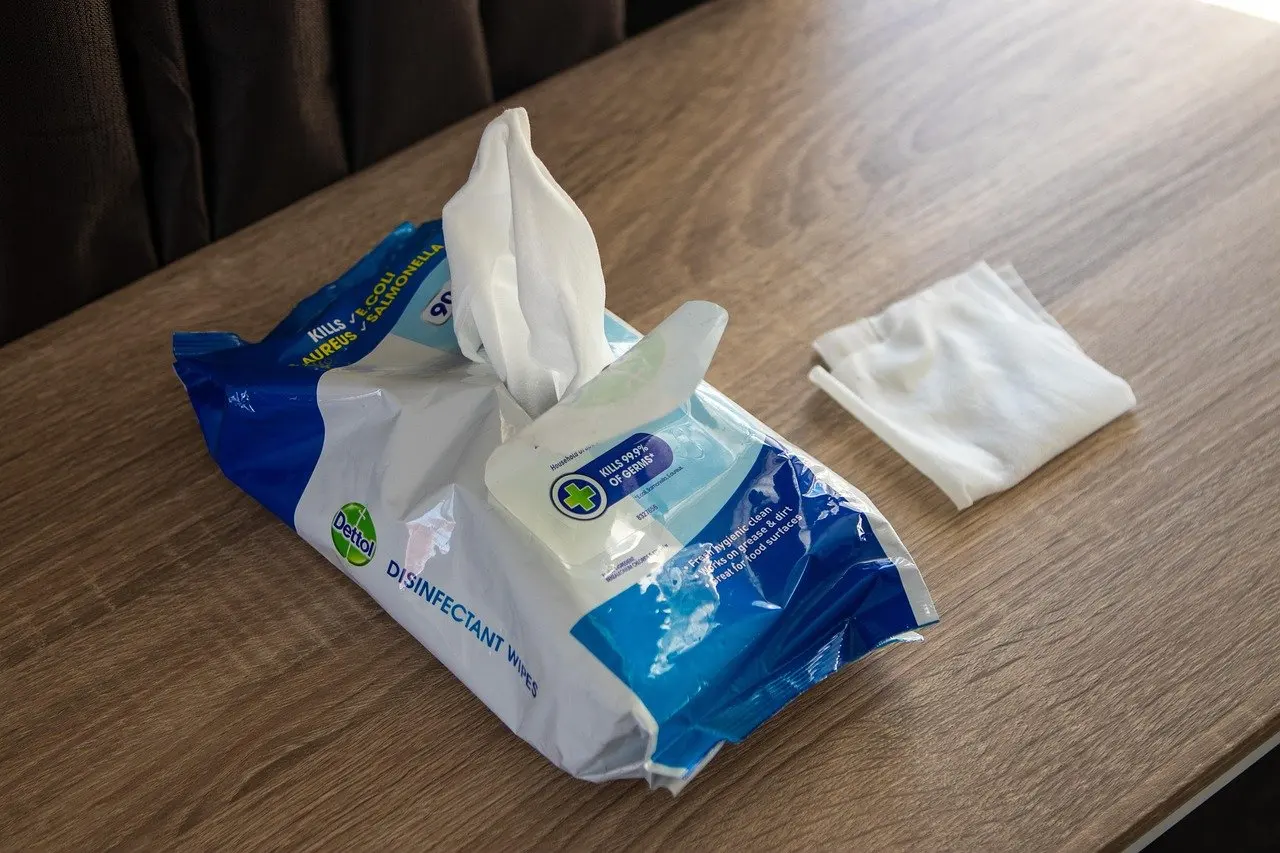
A screen wipe is a pre-moistened pad. HP describes pre-moistened screen wipes as specially formulated for electronics and convenient for quick cleanups. Each pad combines a liquid and a fabric, and the liquid itself splits into a solvent (isopropyl alcohol in alcohol-based versions), water and any additives the maker chooses to include. The fabric, called the substrate, holds the liquid and does the physical wiping.
Several assumptions about those parts circulate, and the table sets each against what the evidence shows.
| Common assumption | What the evidence shows | Planning use |
|---|---|---|
| Every screen wipe is alcohol based | Wipes with 70% isopropyl alcohol can suit certain electronic surfaces, while an alcohol-free formulation may suit other applications | Treat alcohol as one option, not a given, and read the packet |
| A higher alcohol percentage guarantees a streak-free screen | Alcohol concentration alone does not guarantee a residue-free result | Do not choose a wipe on percentage alone |
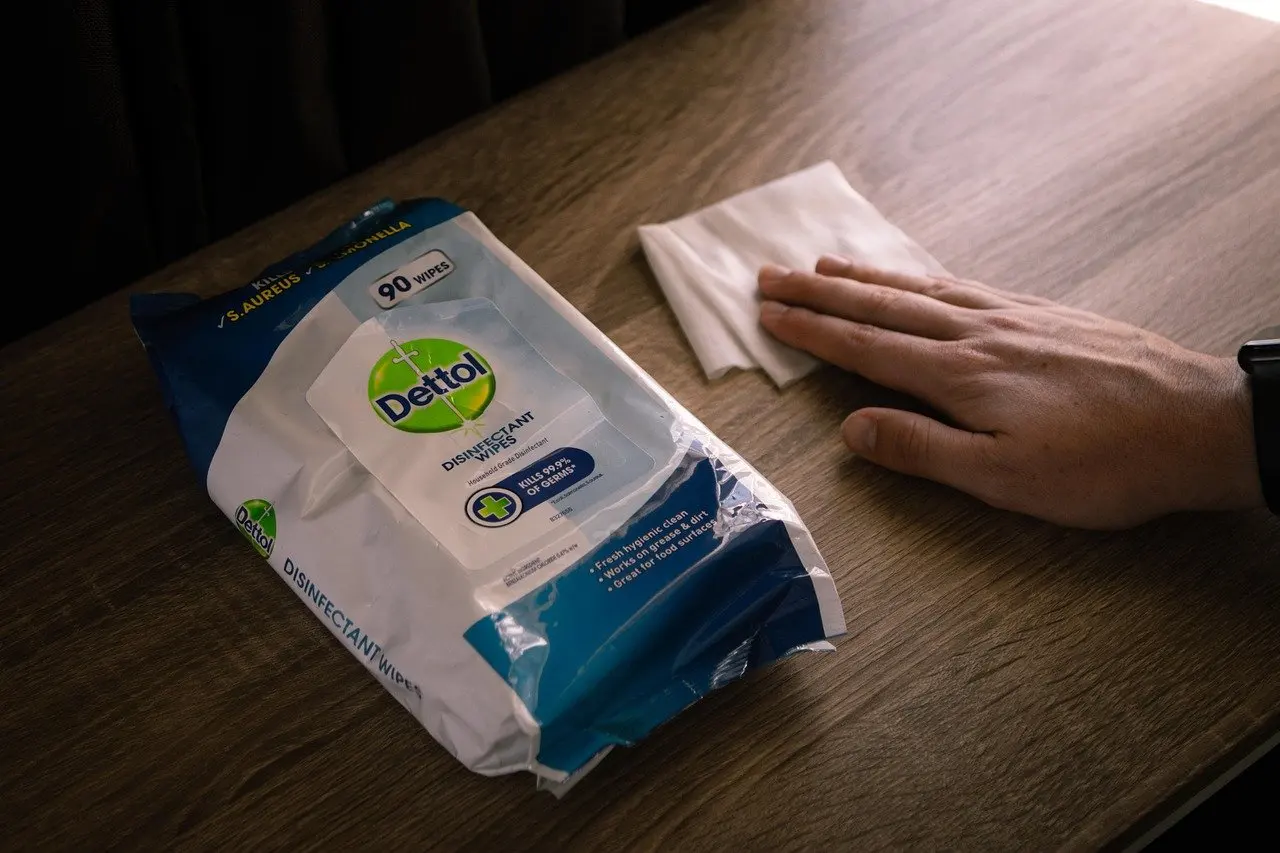
| Disinfecting wipes and screen wipes are interchangeable | HP lists Clorox or other disinfecting wipes among products not to use on monitor screens, and describes screen wipes as specially formulated for electronics | Keep household disinfecting wipes off screens |
| The packet lists every ingredient | Some screen wipes are pre-saturated with a proprietary screen cleaning solution without itemising what is in it | Look for a fuller ingredient list where the maker provides one |
These points draw on a wipe maker’s guide to 70% isopropyl alcohol wipes, HP’s monitor cleaning guidance and a retailer product page for monitor screen wipes.
Isopropyl alcohol: the solvent and its strength
Isopropyl alcohol is the solvent in alcohol-based screen wipes, and it is the ingredient that most often raises questions. Whether screen wipes are alcohol based depends on the product, because alcohol-free formulations are sold alongside alcohol ones.
What the percentage means
One strength that appears on electronics wipes is 70%. A wipe maker notes that a 70% isopropyl alcohol solution contains approximately 70% isopropyl alcohol by volume when specified on that basis, so the figure on a packet describes the liquid rather than the whole wipe. The same source says the remaining portion is primarily water and may include other ingredients depending on the finished product. When reading a percentage, check whether it states a basis such as volume.
Where manufacturer guidance differs
Advice on alcohol is not uniform, and the differences matter more than the number. HP says it is generally not recommended to use isopropyl alcohol directly on a screen, and its monitor guidance advises avoiding alcohol-based cleaners and abrasive materials. The wipe maker adds that some manufacturers advise against alcohol-based cleaners on their screens, and that an alcohol-based wipe may be incompatible with some protective coatings, plastics, adhesives or finishes.
HP’s advice is written for monitors, so a phone’s own care instructions take priority for a smartphone touchscreen. For a fuller view of that question, read are phone cleaning wipes safe for screens.
Water and additives
Water is the second major component in an alcohol wipe and the main one in a mild formulation. In a 70% isopropyl alcohol solution, the non-alcohol remainder is primarily water. HP separately suggests a cloth slightly moistened with distilled water for stubborn marks, which shows water alone is accepted as a screen-cleaning medium.
Additives are the least visible part. A retailer page for monitor screen wipes describes pads pre-saturated with a proprietary screen cleaning solution meant to remove smudges and dust, and it does not itemise the contents. Where a packet says only “proprietary”, a safety data sheet from the maker, if one is supplied, is the document to compare against the packaging.
The fabric: nonwoven pads and microfiber
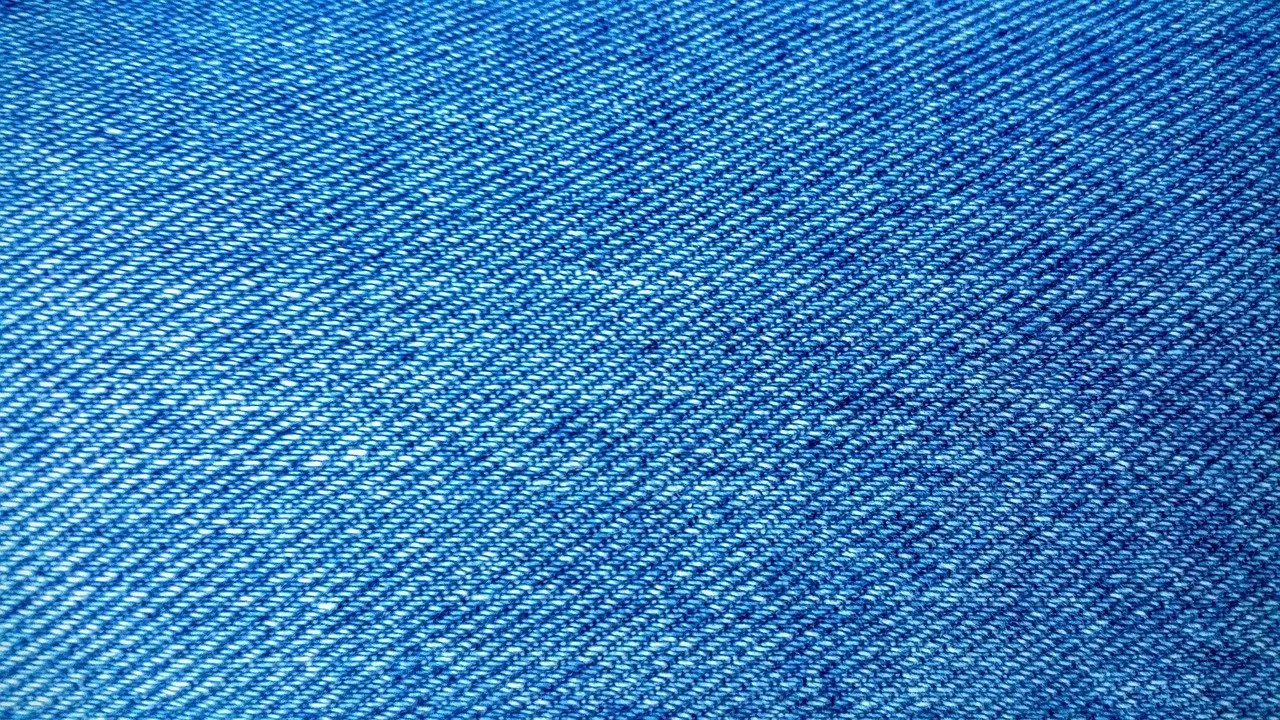
The substrate shapes how a wipe feels and performs. According to the wipe maker, it influences softness, absorbency, lint release, liquid retention and wiping performance. For screen-oriented applications, brands may evaluate soft, low-lint nonwoven materials, which is why nonwoven fabric is the usual description of the pad in screen wipes.
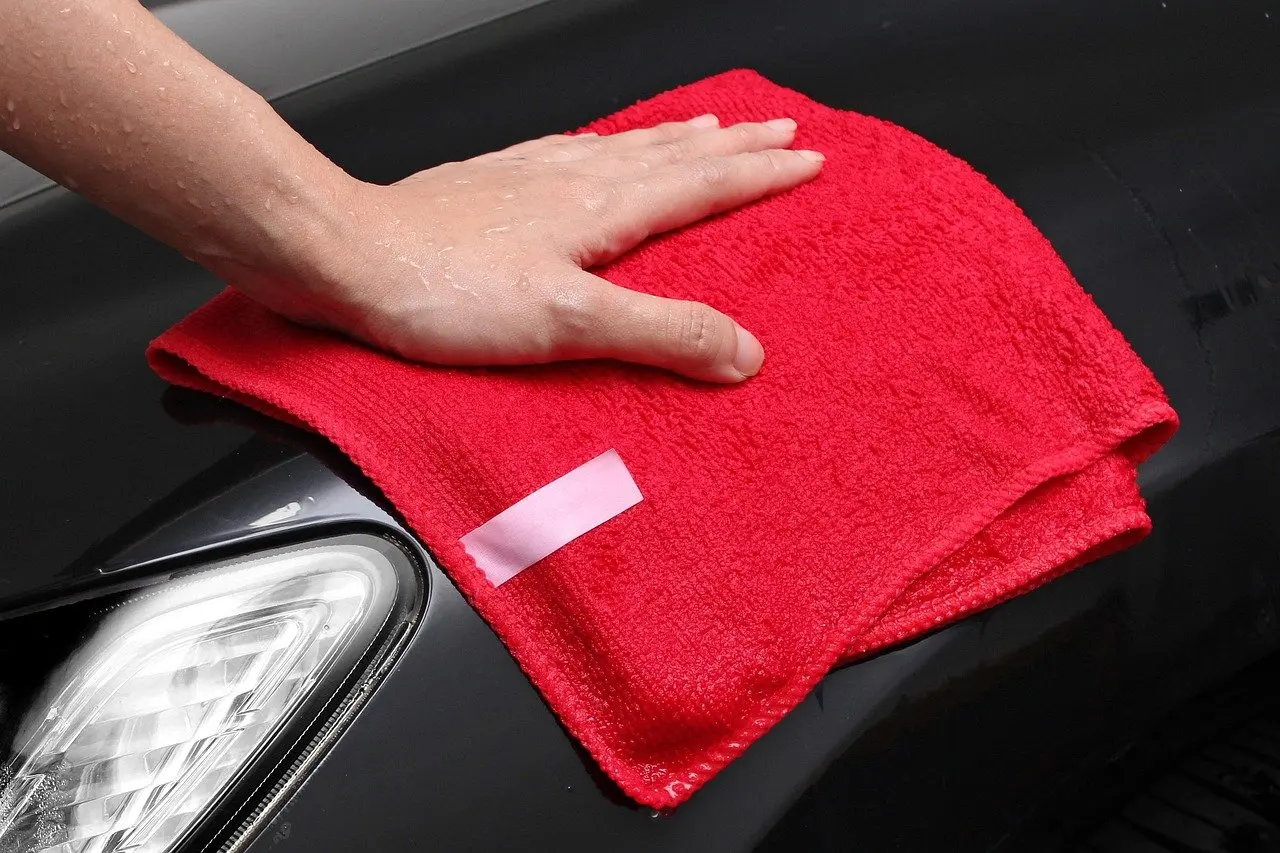
A microfiber cloth is a different tool from a wipe. HP calls microfiber the safest and most effective material for cleaning computer screens, which makes a dry or lightly dampened cloth a solvent-free comparison point. Choose a wipe for convenience and a cloth when you want to avoid adding any liquid chemistry.
Alcohol-free screen wipes
Alcohol-free wipes replace the alcohol solvent with a different liquid, and the recipe is set by each maker. The wipe maker’s guide says an alcohol-free formulation may be more suitable for some applications than an alcohol-based wipe, which implies neither type is right everywhere.
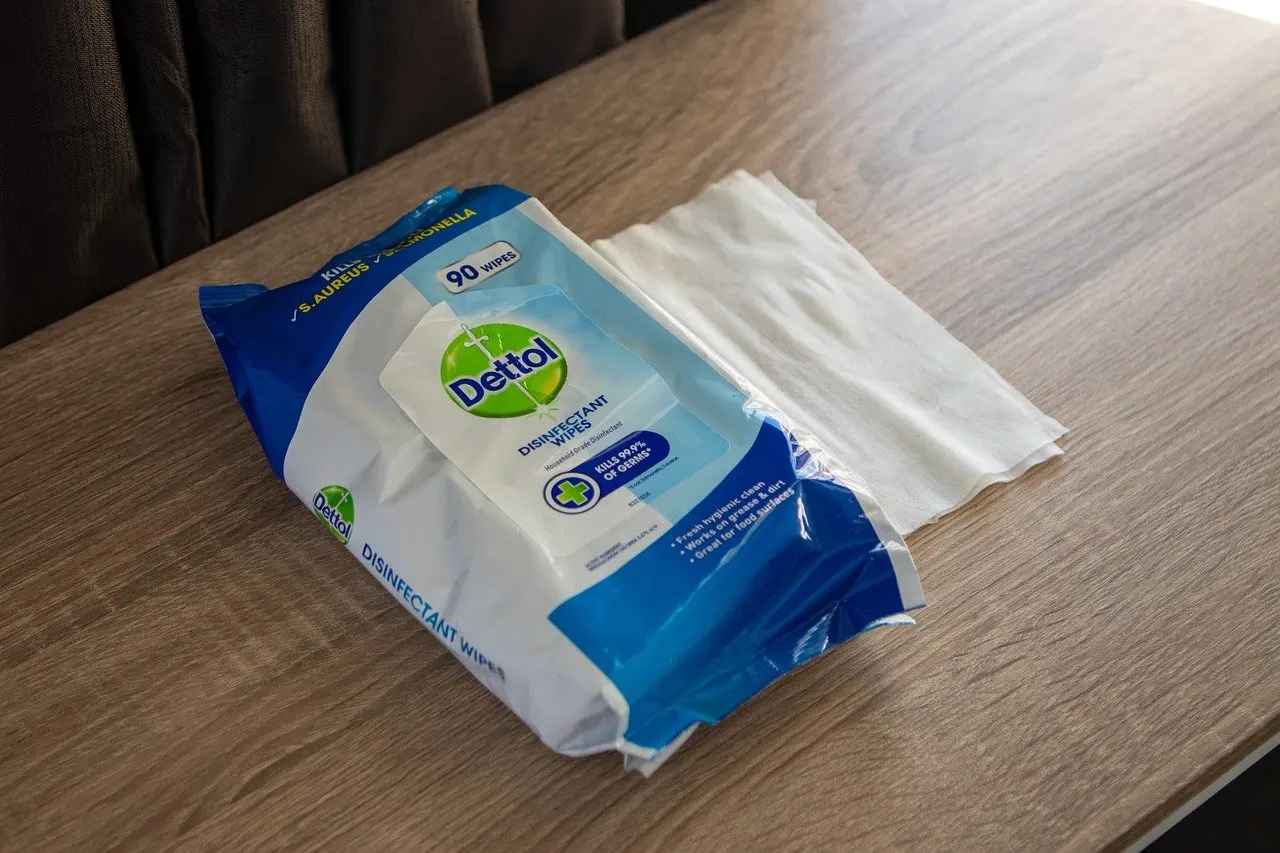
The simplest alcohol-free reference is HP’s own suggestion of a cloth slightly moistened with distilled water. Packaged alcohol-free wipes may add other components, so the ingredient panel is the only reliable description of what replaces the alcohol.
Reading a wipe label
A label answers most composition questions if you read for a few specific details.
- Screen suitability: HP advises checking that a product is specifically designed for use on LCD, LED or OLED screens.
- Alcohol and its basis: look for isopropyl alcohol by name, the percentage, and whether it is stated by volume. Absence of the word suggests an alcohol-free formulation, but confirm on the ingredient list.
- Ingredient detail: a full list gives the solvent, water and additives, while a “proprietary solution” statement means the rest has to come from the maker’s documentation.
- Product category: a disinfecting wipe is a household product, and HP names such wipes among those not to use on monitor screens.
- Pad description: a mention of soft, low-lint nonwoven material points to a wipe designed with screens in mind.
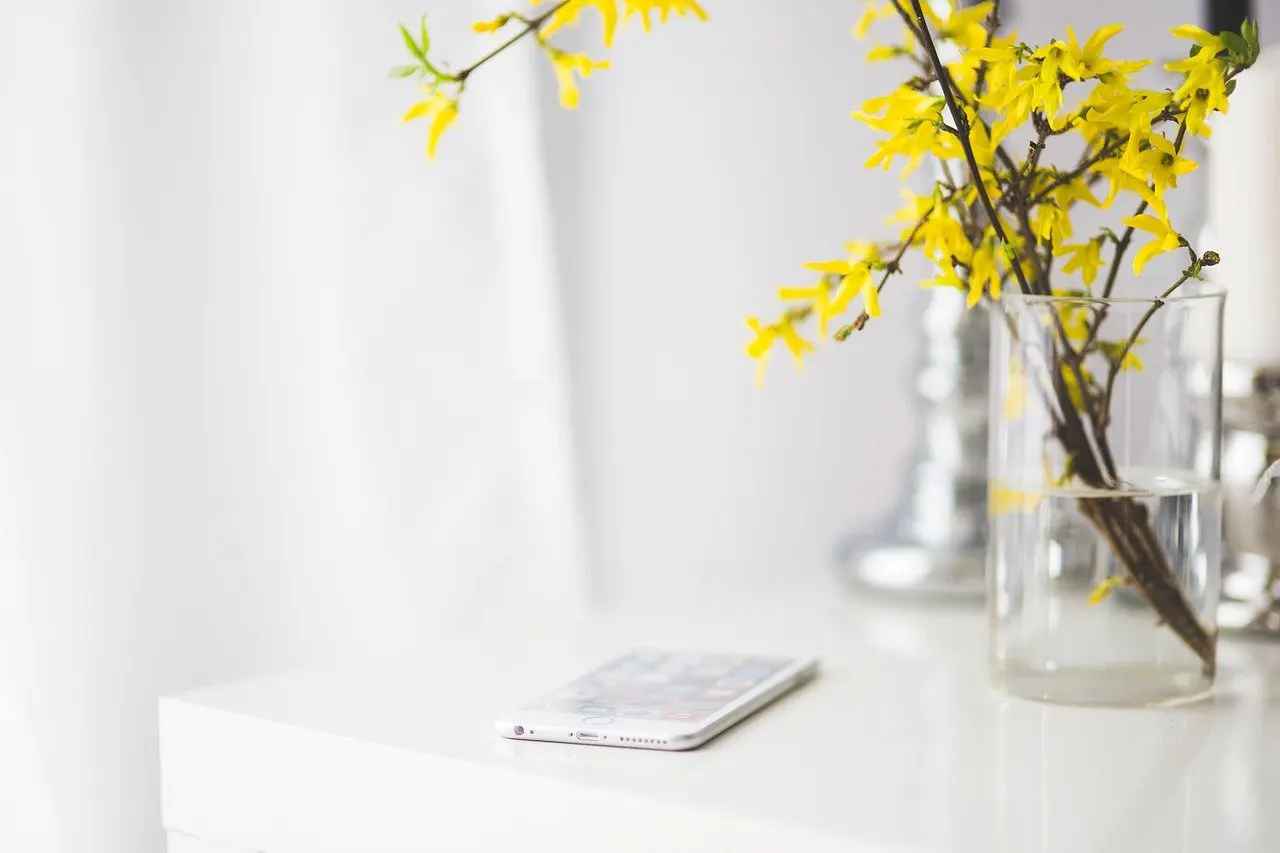
Once the label is clear, the next question is technique, covered in how to use phone cleaning wipes.
Frequently asked questions
| Question | Answer |
|---|---|
| Is the alcohol in screen wipes flammable? | Yes. The wipe maker’s guide states that isopropyl alcohol is flammable and advises keeping alcohol wipes away from flames, sparks and hot surfaces. |
| Can too much liquid on a wipe cause problems? | It can. The same guide says too much liquid may increase the risk of moisture reaching vulnerable areas of a device. |
| Do all screen wipes suit matte screens? | Not necessarily. HP advises avoiding any solutions with alcohol or vinegar on matte screens, which makes an alcohol-free product the safer reading of that advice. |
| How often should a screen be wiped? | One wipe maker’s guidance is to clean a screen when it is noticeably dirty or at least once per week, per a retailer product page. |